A cluster of cases aboard a cruise ship has put a rare and rather alarming virus back in the headlines, and if you’ve never heard of hantavirus before, you’re probably not alone. Most of us associate viral outbreaks with the usual suspects. This one’s a bit different.
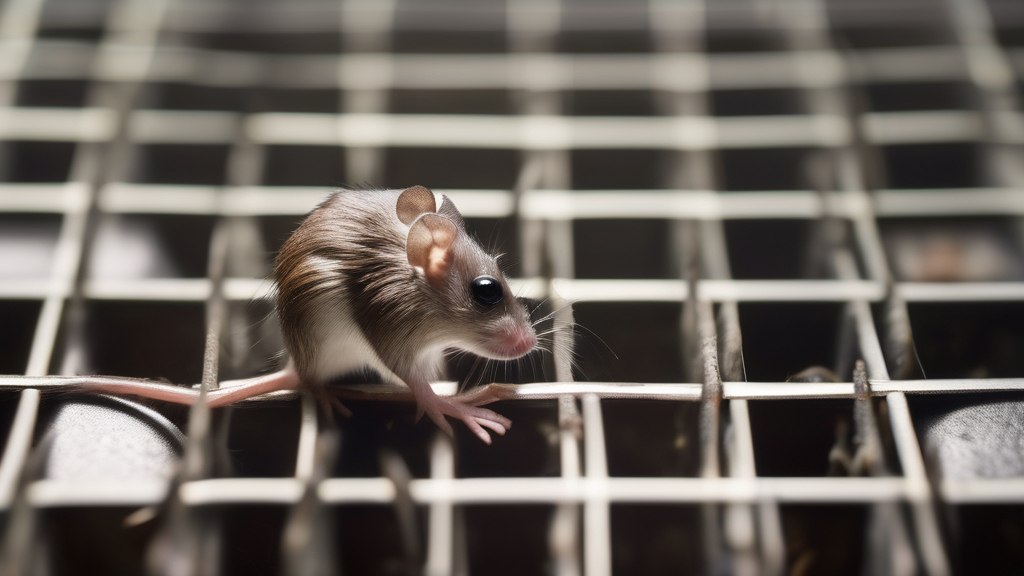
Hantavirus is a family of viruses carried primarily by rodents. In most cases, people catch it by breathing in dust or particles contaminated with the urine, droppings, or saliva of infected mice or rats. You don’t need to be bitten. Simply disturbing a mouse nest in a shed or barn can be enough.
The strain confirmed in several of the affected passengers is the Andes virus, a particularly notable variety because it behaves differently from most other hantaviruses. Unlike its cousins, the Andes strain can, in rare circumstances, pass directly from one person to another. That’s what sets this outbreak apart and why public health officials are watching it closely.
The illness typically starts with fever, fatigue, and muscle aches, symptoms easy to dismiss as a bad bout of flu. Within days, however, it can progress to hantavirus pulmonary syndrome, a severe respiratory condition where the lungs begin to fill with fluid. Mortality rates for this syndrome sit somewhere between 30% and 40%, which is not a figure to brush aside.
“The Andes virus is one of the few hantaviruses with documented person-to-person transmission, which is why containment protocols need to be swift and thorough,” one infectious disease specialist noted following the emergence of the outbreak.
There’s no specific antiviral treatment and no approved vaccine. Supportive care in an intensive care setting remains the primary approach for severe cases. Early admission to hospital makes a meaningful difference to survival odds.
The good news, if you can call it that, is transmission between people is genuinely rare, even with the Andes strain. Cases tend to cluster within households, particularly among those in close, prolonged contact with an infected person.
For now, health authorities are tracing contacts and monitoring anyone who shared close quarters with confirmed cases. The bigger question hanging over this outbreak is whether a confined space like a cruise ship, with its recycled air and close living arrangements, changes the equation in ways scientists haven’t fully mapped yet.