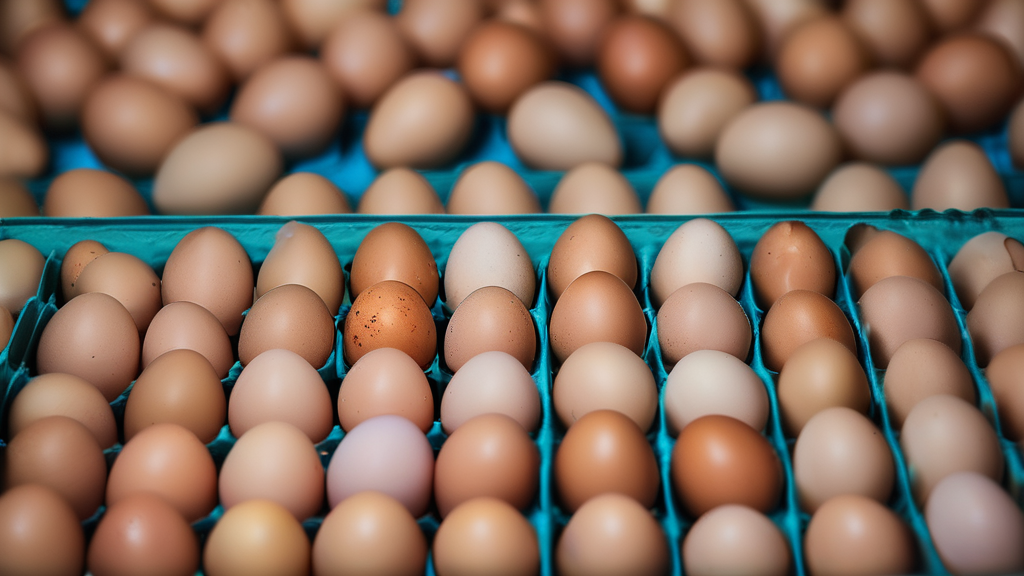
If you’re the sort of person who starts every morning with scrambled eggs, you might want to look away now. A major American poultry company has recalled nearly 1.6 million dozen eggs after the US Food and Drug Administration flagged a potential salmonella contamination risk. That’s not a typo: 1.6 million dozen, or just under 19 million individual eggs.
The recall was announced by the FDA after routine testing raised concerns at the facility. The eggs, produced by Milo’s Poultry Farms based in Wisconsin, were distributed across multiple US states. Authorities are urging anyone who purchased the affected products to check lot numbers and, frankly, not to risk it.
Salmonella isn’t something to shrug off. The bacteria causes an estimated 1.35 million infections in the United States every year, according to the Centers for Disease Control and Prevention, with around 26,500 hospitalisations. Symptoms, which include fever, stomach cramps, and diarrhoea, typically show up within six to 72 hours of eating contaminated food.
“Consumers who have purchased these eggs should not eat them,” the FDA stated, adding that anyone unsure whether their eggs are affected should check the brand name and codes printed on the carton.
No confirmed illnesses linked to this specific recall have been reported so far, which is something of a relief. But these situations tend to move quickly, and the advice is to act before symptoms appear rather than after.
For UK readers, this particular batch hasn’t crossed the Atlantic, so your Sunday fry-up is safe for now. British egg production operates under its own regulatory framework, with the British Lion scheme covering roughly 90% of eggs produced domestically, a standard that includes routine salmonella vaccination of hens.
Still, it’s a timely reminder of just how fragile food supply chains can be. One contaminated flock, one lapse in hygiene protocol at a packing facility, and suddenly millions of households are rifling through their fridges.
The bigger question, perhaps, is whether large-scale industrial egg production, with its enormous outputs and complex distribution networks, can ever truly guarantee the kind of safety margins consumers expect. Nineteen million eggs is an awful lot of omelettes to get wrong.