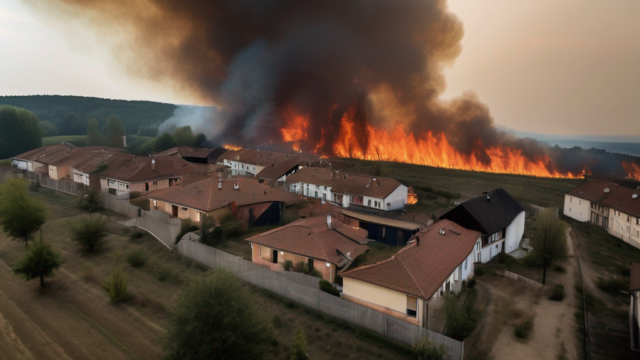
The relative quiet that had settled over Beirut shattered on Sunday, when Israeli warplanes struck the Lebanese capital for the first time since a ceasefire with Hezbollah was reached in mid-April.
Israel’s military confirmed the strike, saying it had targeted a senior Hezbollah commander in the city. It didn’t name the individual publicly, but described the operation as a precise, intelligence-led mission rather than a broader escalation. Lebanese health officials reported casualties in the area, though exact figures remained unconfirmed in the immediate aftermath.
For Beirut residents, the sound of the strike was a grim reminder that ceasefires in this part of the world tend to be fragile things. The April agreement had largely held for weeks, bringing a tentative sense of relief to a city still scarred from previous rounds of conflict. That relief now feels considerably less certain.
Lebanese caretaker officials condemned the strike as a “flagrant violation” of the ceasefire terms, calling on international guarantors to respond. France and the United States, both involved in brokering the original agreement, had not issued formal statements at the time of writing.
Israel’s position is that the ceasefire doesn’t grant Hezbollah’s leadership immunity if it continues to operate or rearm. It’s a logic Tel Aviv has applied consistently, even during periods of nominal calm. Critics argue it undermines the very framework meant to prevent a return to full-scale war.
The strike comes at a particularly delicate moment. Lebanon’s new government is still finding its feet, and the country’s economy remains in a dire state, with the Lebanese pound having lost the vast majority of its value over the past five years. Another prolonged conflict would be catastrophic for ordinary people there.
Hezbollah hasn’t yet formally responded, though that silence is unlikely to last long. Whether Sunday’s strike remains an isolated incident or marks the beginning of a fresh deterioration is the question every diplomat in the region is quietly asking right now.
The ceasefire isn’t dead yet. But it’s certainly on life support.