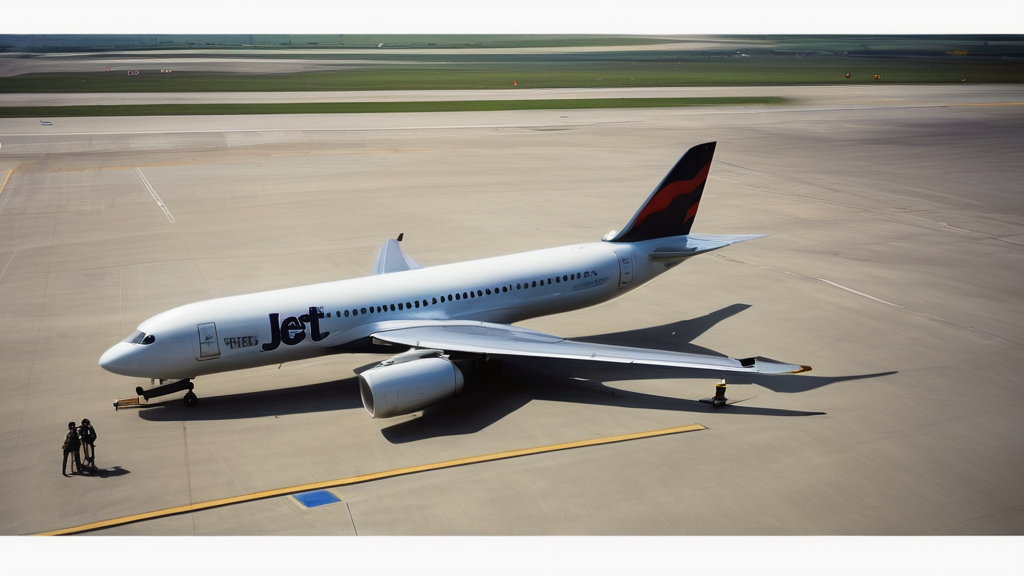
Picture this: you’ve booked the flights, sorted the hotel, and spent three months quietly willing summer to arrive. The last thing you need is the fuel to get you there running dry before you even reach the departure gate.
That’s the anxiety quietly spreading through the aviation industry right now. Jet fuel, technically known as Jet A-1 kerosene, is facing supply pressure from a combination of refinery constraints, shifting crude oil markets, and the lingering inefficiencies left behind by pandemic-era production cuts. The result? Tighter supply heading into what’s expected to be one of the busiest travel summers in years.
Airlines are already feeling it. Fuel typically accounts for around 25 to 30 percent of an airline’s operating costs, and when that number climbs, the pressure to pass it on to passengers follows quickly. Ryanair’s CEO Michael O’Leary has previously warned that any sustained spike in fuel costs will feed through to ticket prices, full stop.
For holidaymakers who’ve already paid, the more immediate concern isn’t cost but capacity. If smaller regional carriers struggle to absorb fuel surcharges, some routes, particularly lesser-served ones out of regional airports, could see reduced frequency or outright cancellation.
“The margins are razor-thin at the best of times,” one aviation analyst put it recently. “A prolonged fuel squeeze doesn’t just hurt profits, it forces difficult decisions about which routes are worth flying at all.”
There are some potential buffers. Many major airlines hedge their fuel purchases months in advance, locking in prices before shortages bite. British Airways and easyJet both maintain hedging programmes that can insulate them, at least temporarily, from the worst of the market volatility.
Sustainable aviation fuel, or SAF, is the longer-term answer the industry keeps pointing to. But current SAF production covers less than 1 percent of global aviation fuel demand. It’s not riding to the rescue this July.
The Department for Energy Security and Net Zero has indicated it’s monitoring refinery output closely, though concrete intervention measures remain vague for now.
So what happens if supplies tighten further as August approaches? Whether airlines absorb the hit quietly, pass it loudly onto passengers, or quietly retire routes that were never that profitable to begin with, this summer could end up being a telling moment for just how resilient the industry really is.