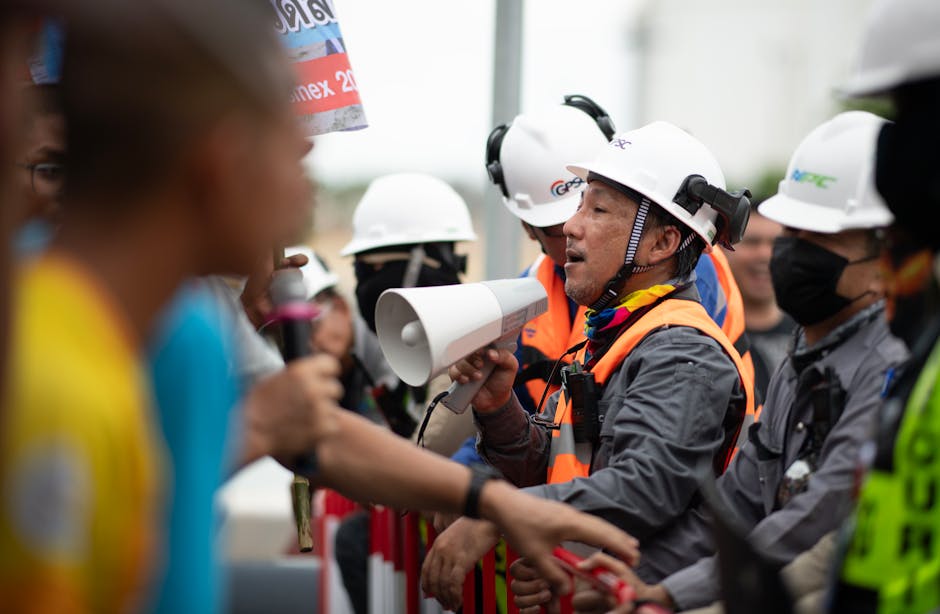
Thousands of Samsung workers in South Korea have agreed to pause a planned strike, but make no mistake: they haven’t backed down. The dispute has shifted into a new and rather telling direction, with employees now demanding a share of the profits generated by the company’s booming artificial intelligence business.
The National Samsung Electronics Union, which represents roughly 28,000 workers, had threatened to walk out after talks over pay and bonuses stalled. A strike at Samsung’s chip factories would have been no small matter; the company produces semiconductors that power everything from smartphones to data centres, and any disruption ripples outward fast.
What makes this particular row interesting is the AI angle. Samsung has seen significant revenue growth tied to demand for high-bandwidth memory chips, the kind used in AI processors. Workers feel they’ve contributed directly to that success and want the figures to reflect it. One union representative put it plainly: the company is earning record sums from AI, and the people on the factory floor deserve to see that in their pay packets.
Samsung’s management has offered wage increases, but the union argues the numbers fall short of what the moment calls for. Negotiations are continuing, with both sides apparently keen to avoid the reputational damage a full walkout would bring.
It’s not an isolated situation. Across the tech industry, workers are growing wise to the AI gold rush and asking pointed questions about who actually benefits. From Hollywood writers to warehouse staff at logistics firms using automated systems, the argument is essentially the same: if the machines are making the company richer, the humans who built, trained, and maintain those systems ought to share in that wealth.
“The profits from AI don’t appear from thin air,” one labour analyst noted recently. “They come from people, infrastructure, and expertise, and that deserves recognition in collective agreements.”
Samsung has until the end of the current negotiating window to table a revised offer. Whether it’ll be enough to keep workers satisfied, or whether this becomes the first high-profile AI bonus strike in the tech sector, remains to be seen.
Either way, it probably won’t be the last time a workforce asks that question.