The diplomats are talking, the bombs are still falling, and nobody seems entirely sure which matters more right now.
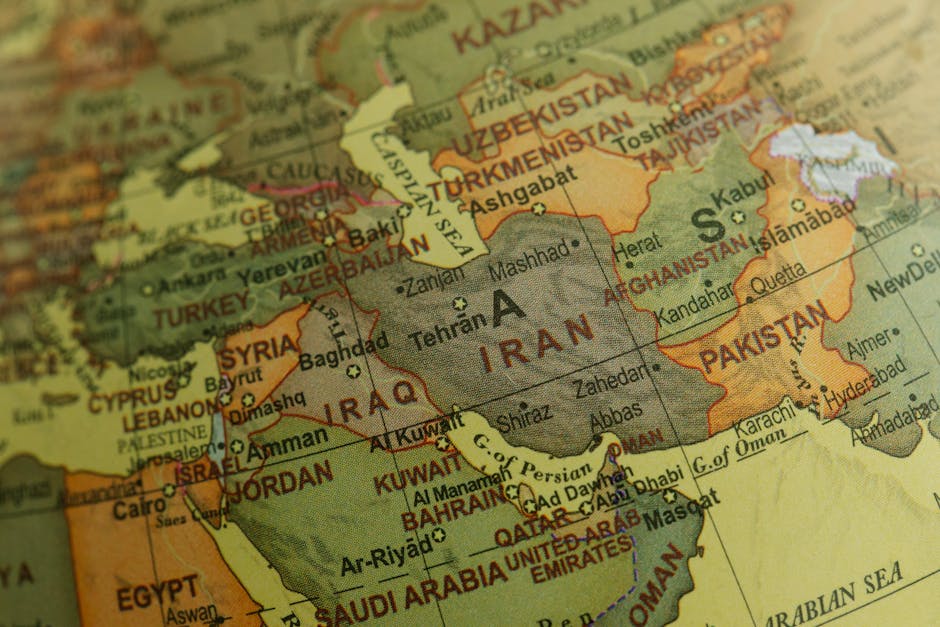
Iranian negotiators touched down in Doha on Wednesday for what Qatari officials described as “exploratory discussions” around the broader regional conflict, even as Israeli forces significantly stepped up their operations across southern Lebanon overnight. It’s the kind of contradiction that has defined this crisis from the start: back-channel dialogue running in parallel with front-line escalation.
Qatar has positioned itself as the region’s most reliable go-between, and it’s not hard to see why Tehran chose Doha. The Gulf state has maintained open lines with both Iran and the United States throughout the past year, and it brokered the last significant hostage deal between Israel and Hamas. That credibility counts for a lot when everyone else is barely on speaking terms.
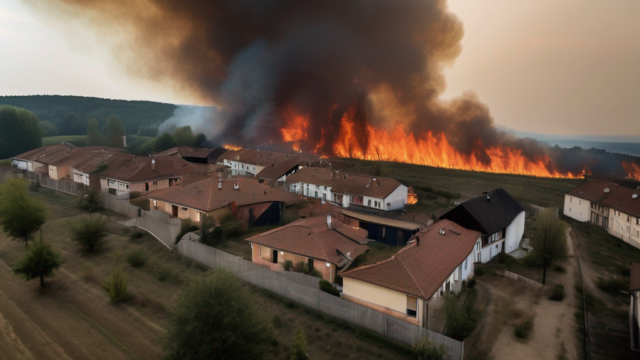
On the Lebanese front, the Israeli Defence Forces confirmed a series of strikes targeting what they called Hezbollah command infrastructure in the Bekaa Valley and Baalbek districts. Lebanese health authorities reported at least 14 civilians killed overnight, though the IDF disputed that framing, insisting the targets were military in nature. These disputes over casualty figures have become a grim routine.
“The intensity of the current operations suggests Israel is trying to change facts on the ground before any diplomatic framework can take shape,” said one European foreign ministry official, speaking anonymously to Reuters.
There’s a school of thought in Western capitals that the Iranian negotiating team in Qatar represents a genuine opening, a signal from Tehran that it doesn’t want a full-scale regional war any more than Washington does. There’s another school that sees it as a delay tactic, buying time while proxies do the fighting.
Both could be true, honestly. These things usually aren’t clean.
Britain’s Foreign Office issued a travel advisory update for Lebanon on Wednesday, urging any remaining UK nationals to leave “while commercial options are still available.” The number of Britons estimated to still be in the country runs to several hundred.
Whether Qatar’s quiet mediation can produce anything concrete before the situation in Lebanon deteriorates further is the question everyone in the region is now asking.