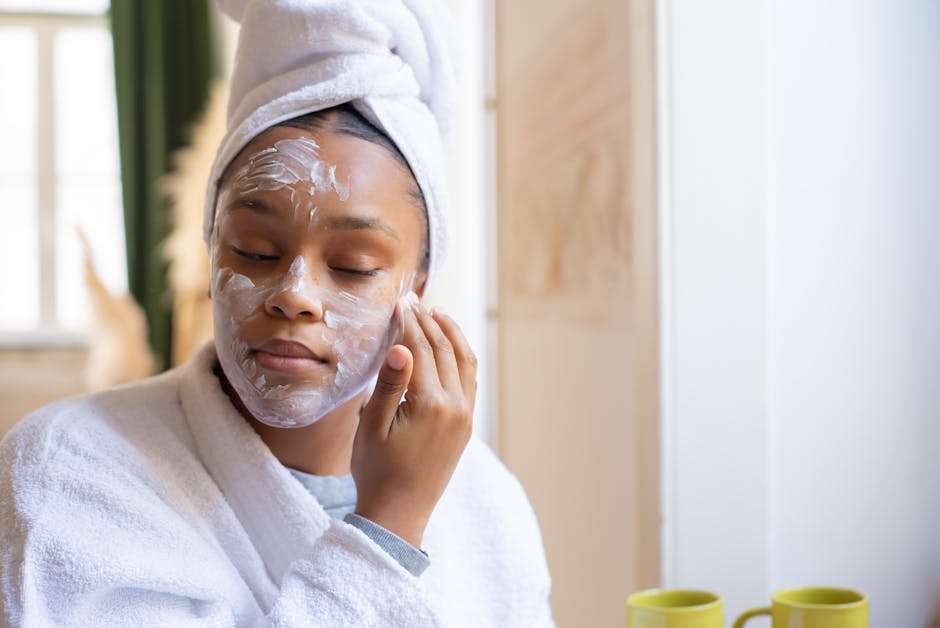
Walk into any Boots or Superdrug these days and you’ll spot them: girls no older than ten or eleven, baskets loaded with serums, toners, retinol creams, and SPF moisturisers. It’s not a one-off. It’s a trend that’s quietly become a crisis.
Dermatologists have started using the term cosmeticorexia to describe an obsessive preoccupation with skincare routines, particularly among girls aged eight to fourteen. Driven by TikTok and YouTube tutorials, thousands of children are developing elaborate, multi-step regimens with products that were never designed for young skin.
The numbers tell their own story. The children’s skincare market in the UK grew by 27% between 2022 and 2024, according to retail analysts at Mintel. Brands like CeraVe, The Ordinary, and Drunk Elephant have seen their demographics skew younger almost overnight, with some reporting that Gen Alpha now accounts for a significant share of their online traffic.
Dr. Emma Wedgeworth, a consultant dermatologist based in London, has described seeing a sharp rise in young patients presenting with irritant contact dermatitis, a condition caused by overuse of active ingredients.
“Retinoids, acids, and even vitamin C can be genuinely harmful to immature skin barriers. These products are formulated for adults dealing with signs of ageing, not twelve-year-olds.”
The irony, of course, is painful. Girls are buying anti-ageing products before they’ve finished growing. Social media has convinced an entire generation that prepubescent skin needs correcting, refining, tightening. It doesn’t.
Child psychologists are raising concerns that go beyond redness and rashes. Dr. Nihara Krause, founder of the youth mental health charity Stem4, has warned that obsessive skincare rituals can become a vehicle for anxiety, a way of exerting control during an already turbulent period of development. The routine stops being self-care and starts being compulsion.
Parents are often caught off guard. A moisturiser seems harmless enough. A serum sounds almost grown-up and responsible. The marketing doesn’t help; pastel packaging and dewy-faced influencers make it all feel perfectly normal.
The question nobody’s quite answered yet is what happens when this generation reaches actual adulthood, having spent a decade stripping and rebuilding their skin barriers on repeat.