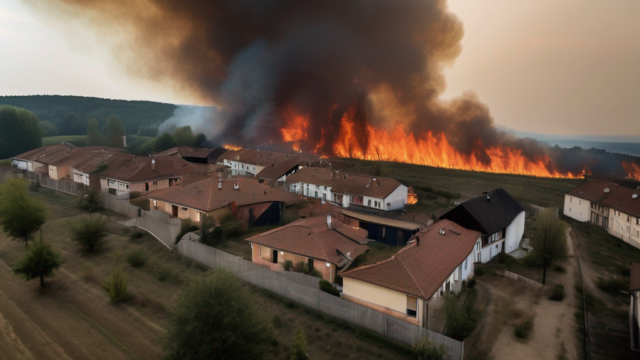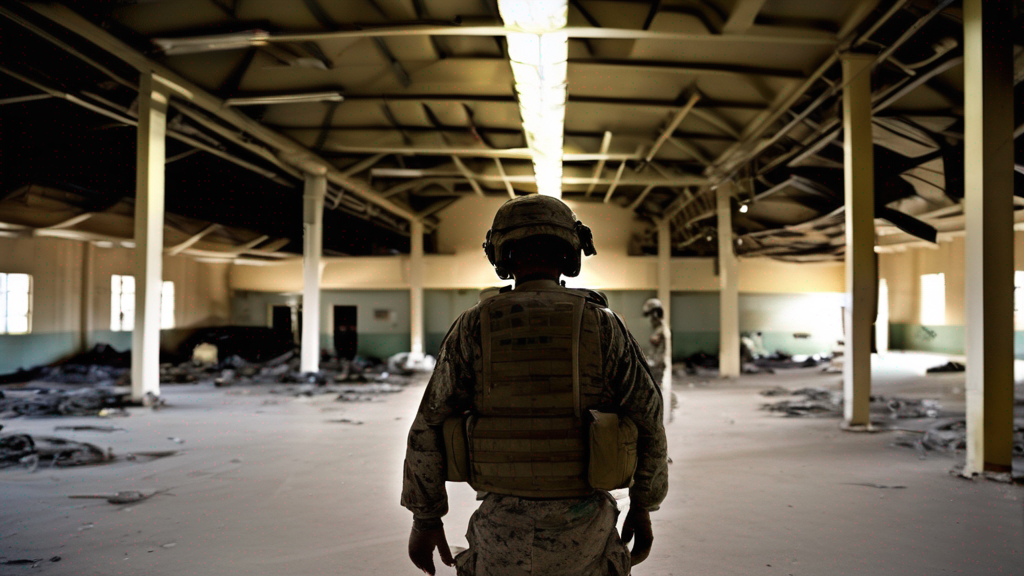
Twenty-eight attacks in a single day. That’s not a war film script; that’s what the soldiers stationed at Ain al-Asad airbase in western Iraq were living through before a fragile ceasefire brought an uneasy quiet to the region.
The BBC was granted rare access to the base, a sprawling complex in Anbar province that houses both US and British military personnel. What they found was a site that had become something of a magnet for drone and rocket fire, targeted repeatedly by Iran-backed militia groups in retaliation for events across the wider Middle East.
At its worst, the base was absorbing attacks around the clock. Personnel described sprinting to blast shelters so often it became routine, almost mundane. One soldier reportedly said it got to the point where you’d grab your coffee before heading to the bunker.
Ain al-Asad has history. It was the same base that Iran struck with ballistic missiles in January 2020, following the US killing of General Qasem Soleimani. Over 100 American troops were treated for traumatic brain injuries after that strike, though Iran framed it as a measured response. The base has never quite shed that target on its back.
The recent surge in attacks was largely tied to the conflict in Gaza, with militia groups in Iraq and Syria ramping up pressure on Western forces across the region. Between October 2023 and the ceasefire, US military facilities in Iraq were struck well over 150 times in total, according to Pentagon figures.
“You adapt,” one British servicemember told the BBC. “You have to. But that doesn’t mean it isn’t exhausting.”
The ceasefire has brought a relative lull, but few people on the ground are treating it as permanent. The militia groups haven’t disbanded. The political tensions that fuelled the campaign haven’t resolved. The shelters are still there, still stocked, still very much in use.
Whether this pause holds, or whether Ain al-Asad finds itself back in the crosshairs, may depend less on what happens inside Iraq than on decisions being made in Tehran, Washington, and a dozen other capitals entirely.