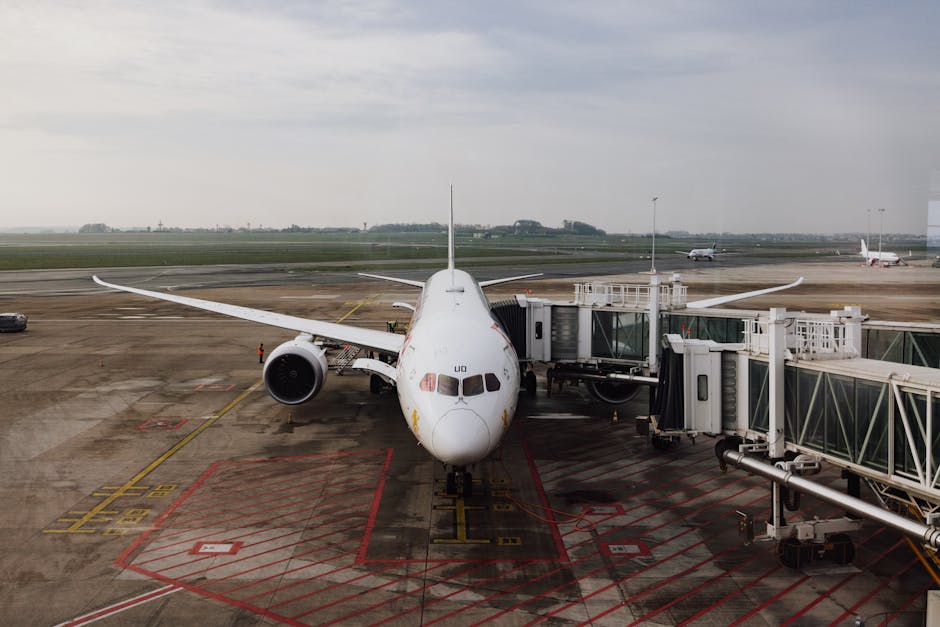
One of the most recognisable names in global aviation is preparing to switch off the lights for good, as plans to relocate all operations to a brand new facility take shape over the coming years.
Dubai International Airport, currently the world’s busiest by international passenger numbers, handling more than 86 million passengers in 2023 alone, is set to be phased out entirely. Everything, from Emirates flights to budget carriers, will eventually shift to the new Al Maktoum International Airport, located around 37 kilometres south of the city centre.
The move has been a long time coming. Al Maktoum, also known as Dubai World Central, was originally opened back in 2010 but never really got off the ground in terms of passenger numbers. The pandemic certainly didn’t help. Now, though, the ambition is back and it’s enormous: Dubai’s ruler Sheikh Mohammed bin Rashid Al Maktoum has approved a $35 billion expansion that would give the new airport a capacity of 260 million passengers per year, making it comfortably the largest in the world.
For context, that’s roughly double the current capacity of Hartsfield-Jackson in Atlanta, which handles around 104 million passengers annually. It’s a staggering figure, and one that signals just how seriously Dubai is taking its long-term position as a global transit hub.
Emirates president Sir Tim Clark has previously described the new airport as essential to the airline’s growth plans, suggesting the carrier simply cannot continue expanding its fleet and routes without a facility capable of supporting them. The current airport, he’s noted, is already running well beyond comfortable capacity.
“Dubai International was never designed for what it has become,” one aviation analyst noted recently. “It’s been stretched to its absolute limits.”
The transition is expected to take place gradually, with a full move potentially not completed until the mid-2030s. That’s still a decade away, so frequent flyers needn’t panic just yet about navigating an unfamiliar terminal next half-term.
But the question worth asking is whether the rest of the world’s ageing aviation infrastructure is watching closely, and wondering whether bold, wholesale reinvention might eventually be the only realistic option for them too.