The Strait of Hormuz is one of the most consequential stretches of water on earth, and this week it reminded the world exactly why that is.
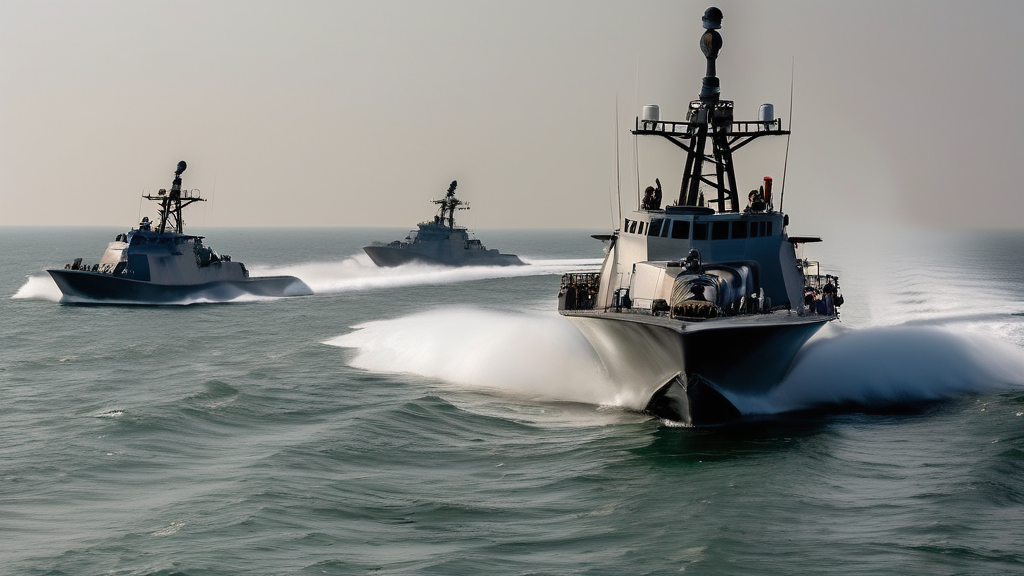
US forces struck a number of Iranian fast attack boats in the Persian Gulf on Wednesday, after Iran launched a drone and missile attack on an oil facility in the United Arab Emirates. The escalation marks one of the most serious flashpoints in the region in years, and it’s rattling markets, shipping companies, and governments in equal measure.
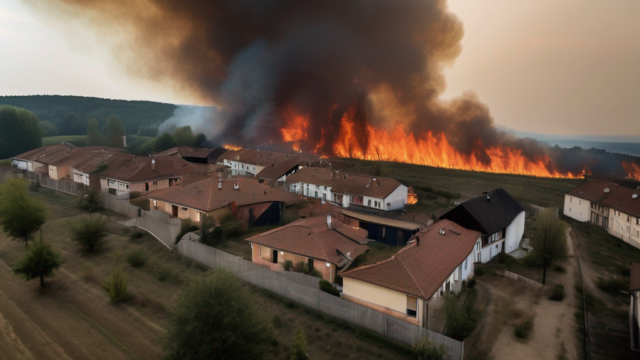
The trigger, according to US defence officials, was a coordinated Iranian assault on UAE infrastructure, which Emirati authorities confirmed caused damage to an oil processing site near Abu Dhabi. Tehran has not formally claimed responsibility, though American and Emirati officials have been explicit about who they believe was behind it.
In the immediate aftermath, shipping giant Maersk confirmed that one of its US-flagged commercial vessels had been escorted safely through the Strait of Hormuz under US Navy protection. The company said the vessel exited without incident, though it acknowledged the situation in the region remains “fluid and unpredictable”.
“We are closely monitoring developments and prioritising the safety of our crew above all else,” a Maersk spokesperson said in a brief statement.
The Strait of Hormuz is the chokepoint through which roughly 20% of the world’s oil supply passes every single day. Any sustained disruption there doesn’t just mean trouble for tankers; it means higher petrol prices, squeezed supply chains, and a very uncomfortable phone call between finance ministers across Europe and Asia.
Iranian fast boats, small and nimble, have long been a favoured tool for harassment operations in the Gulf. They’re cheap, difficult to track at speed, and capable of swarming larger vessels. The US Navy’s decision to engage them directly signals a significant shift in posture from recent months, when American forces largely held back from direct confrontation.
Analysts in Washington and London are now watching closely to see whether Tehran responds further, or whether this was a calculated probe designed to test the limits of American resolve in an election year.
The question nobody seems able to answer right now is whether this is a dangerous moment that both sides quietly step back from, or the opening chapter of something considerably worse.