The Strait of Hormuz has seen tension before, but few moments have escalated quite this fast. Within hours of a US patrol helicopter being shot down over the waterway, American and Iranian forces were exchanging fire in one of the world’s most strategically loaded stretches of water.
President Trump, never one to let a provocation pass quietly, was quick to point the finger at Tehran. He accused Iran directly of downing the aircraft and made clear a response was coming. It came.
“They made a very big mistake,” Trump told reporters, his tone leaving little room for diplomatic interpretation.
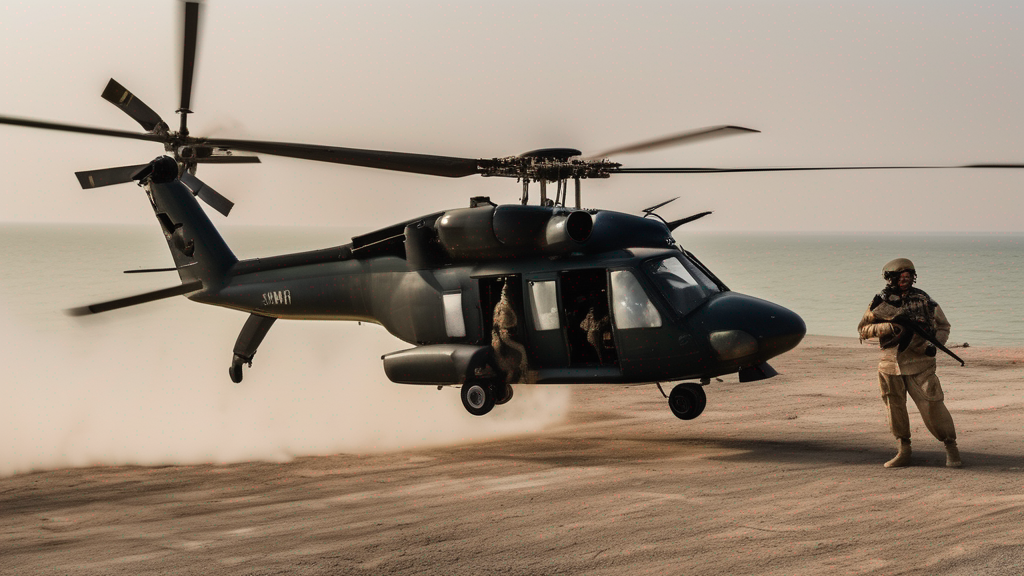
The helicopter, a US military patrol aircraft operating in international waters above the strait, went down with crew members on board. The Pentagon has not yet confirmed casualty figures, but multiple defence officials have indicated the incident is being treated as a hostile act rather than an accident.
Iran’s position, as relayed through state media, is somewhat different. Officials in Tehran claimed the aircraft had violated Iranian airspace, a charge the US flatly denies. It’s a familiar pattern: two competing narratives, both delivered with absolute confidence, and the rest of the world left to figure out what actually happened.
The Strait of Hormuz is not just a flashpoint for political reasons. Roughly 20% of the world’s oil passes through it. Any sustained military confrontation there doesn’t stay regional for long; it ripples outward into energy markets, shipping insurance costs, and the broader calculations of every government with a stake in Gulf stability.
Britain has naval assets in the region and close intelligence ties with Washington. Downing Street has so far offered a cautious statement calling for “de-escalation and dialogue,” which is the diplomatic equivalent of asking two people mid-argument to please keep it down.
What makes this moment particularly difficult to read is the timing. Diplomatic back-channels between Washington and Tehran had, according to several sources familiar with the talks, been quietly making progress on nuclear-related discussions. Whether those conversations survive this exchange is now the real question.
If both sides want a way out, one will need to be found quickly. The strait doesn’t forgive prolonged standoffs.