The phone calls started before the bombs did. Prisoners in Iran’s Evin and Rajai Shahr jails began ringing their families in late February with a message that chilled everyone who received it: “This may be the last time you hear my voice.” They weren’t being dramatic. They were saying goodbye.
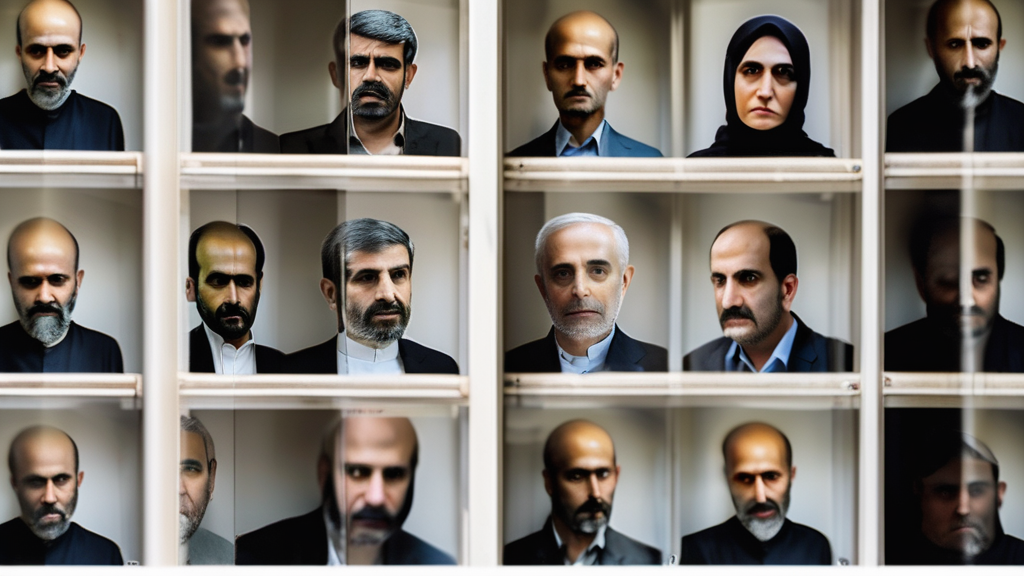
Since the United States and Israel launched strikes on Iran on 28 February, the UN has verified the execution of at least 32 political prisoners. Human rights groups believe the real figure is considerably higher, with reports of mass hangings carried out in the early hours, away from witnesses, families notified only after the fact.
The pattern is not new, but the pace is. Iran has long used executions as a tool of political control, particularly during periods of external pressure. What’s different now is the speed. Trials that once took months are reportedly being concluded in days, sometimes without defence lawyers present at all.
“They called it a security court. There was no lawyer, no evidence presented to the family, no appeal,” one relative of an executed prisoner told human rights organisation Iran Human Rights, which is based in Oslo and monitors executions closely.
Many of those killed had been imprisoned for years, some arrested during the 2019 fuel protests, others detained after the wave of demonstrations that followed Mahsa Amini’s death in 2022. For the Iranian government, a war footing appears to have provided cover for clearing out dissent it had been sitting on for years.
The UN’s human rights office has called for an immediate halt, describing the executions as potentially unlawful killings carried out in violation of international law. Tehran has not responded publicly to those specific concerns.
Western governments have been largely focused on the military dimension of the conflict. Statements condemning the executions have been issued, but quietly, without the urgency the numbers might demand.
Thirty-two verified. That’s not a statistic you can abstract away. Each one is a person whose family picked up the phone and heard a final goodbye, then waited for a knock at the door that confirmed what they already feared.
The question now is whether the international community’s attention will remain fixed on missiles and negotiations, or whether the people dying inside Iran’s prisons will find someone willing to make noise on their behalf.