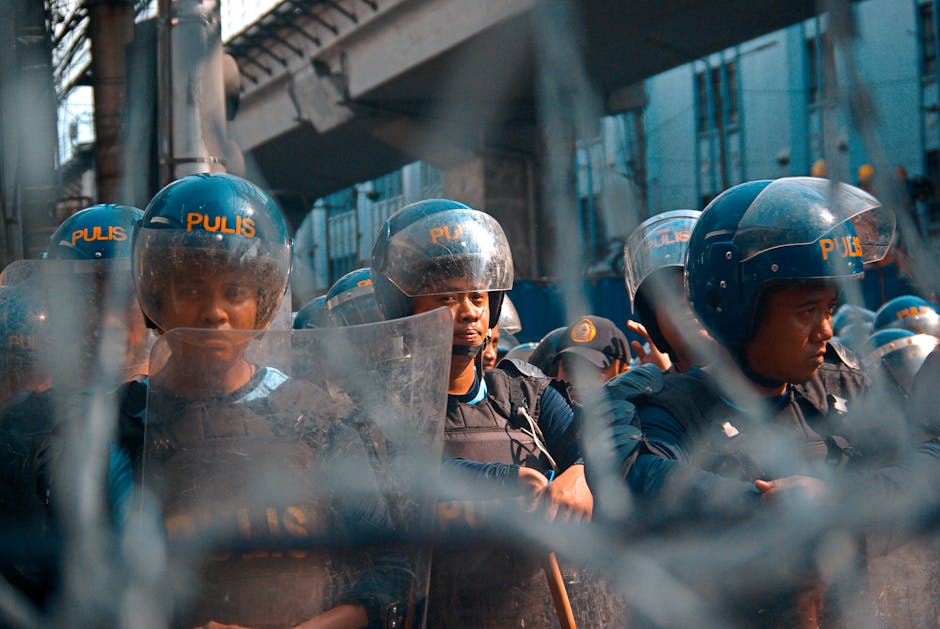
French riot police are heading to the beaches. Under a new three-year agreement between the UK and France, at least 50 riot-trained officers will be deployed along the northern French coastline specifically to break up the violent standoffs that have become a grim fixture of Channel crossing attempts.
The deal is a direct response to scenes that have grown increasingly ugly in recent months. Gangs controlling the crossings have shown little hesitation in using force against both migrants and law enforcement, and French police on the ground have at times been badly outnumbered. The new agreement is designed to put that right.
The officers will be trained to handle what officials are calling “hostile crowds”, a phrase that covers everything from smuggler networks orchestrating mass launches to the desperate, frightened groups of people who sometimes clash with authorities when crossings are blocked or delayed.
It’s a significant escalation in the operational approach. Previous efforts leaned heavily on surveillance technology, patrol boats, and cross-Channel data sharing. This is boots on sand, in numbers, with riot gear.
The UK government has been pushing for exactly this kind of French commitment for some time. Home Office figures showed over 36,000 people crossed the Channel in small boats in 2023, and the pressure to show visible action hasn’t let up. Funding from the British side is expected to cover a substantial portion of the deployment costs, though exact figures haven’t been confirmed publicly.
“The situation on the beaches has become untenable,” one senior French border official was reported as saying. “We need the resources to match the scale of what we’re dealing with.”
Critics will point out that increased policing on the beaches doesn’t address why people are making the crossing in the first place, and that aggressive crowd control tactics around vulnerable people carry their own risks. Those are fair questions, and ones that won’t go away simply because there are more officers in high-vis jackets.
Whether riot police on the sand will actually reduce crossings, or simply shift the problem elsewhere along the coast, is something we’ll know a lot more about by the time this three-year agreement comes up for review.