Four years is a long time to be told you’re winning.
Russia’s military machine continues to grind into Ukraine, with the Kremlin intensifying strikes on civilian infrastructure even as frontline gains remain slow and costly. But something is shifting at home, quietly, in the kitchens and comment sections where Russians actually talk to one another.
Putin’s public approval ratings remain high, at least by official measurements. Yet even within loyalist circles, a note of fatigue is creeping in. State television hosts who once cheered the “special military operation” with unbridled enthusiasm have started, on occasion, asking uncomfortable questions about timelines and costs.
“People aren’t against the war exactly, but they’re tired of waiting for the victory they were promised in three days,” one Moscow-based political analyst told a Western outlet earlier this year. “That’s a different kind of dissatisfaction, and it’s harder to manage.”
The human cost is becoming impossible to paper over. Ukraine’s government estimates Russian casualties, killed and wounded combined, have exceeded 900,000 since February 2022. Russia doesn’t publish its own figures, but the number of military funerals in small towns across Siberia and the Urals tells its own story.
Economically, sanctions have bitten harder than the Kremlin anticipated. Inflation is running above 9%, interest rates sit at a punishing 21%, and consumer goods that were once unremarkable luxuries are now noticeably absent from shelves. These aren’t abstract statistics; they’re felt at the checkout.
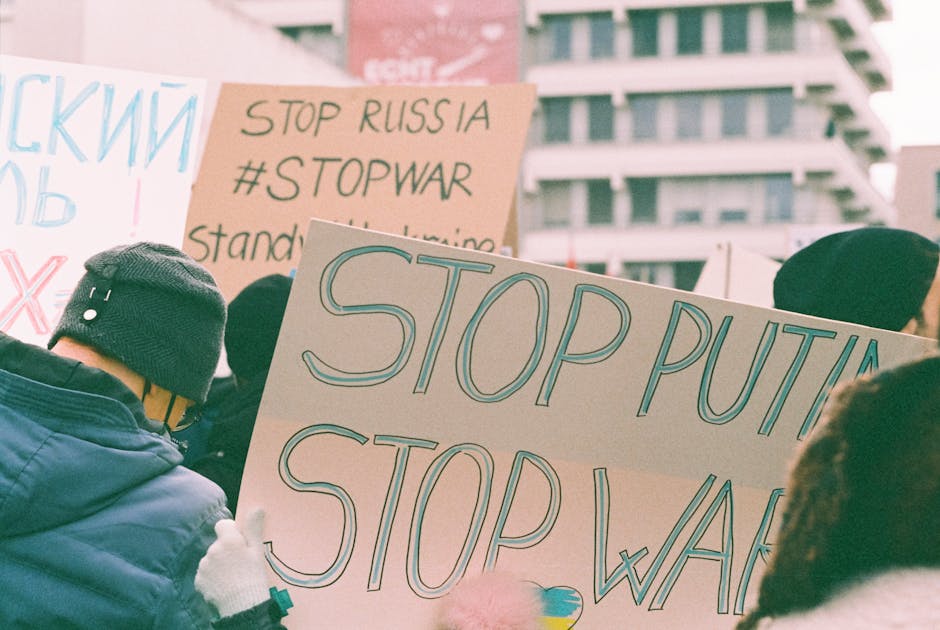
None of this translates into organised opposition. The arrest of Alexei Navalny’s allies, the shuttering of independent media, and the criminalisation of even mild anti-war speech have effectively silenced public dissent. Russians who harbour doubts tend to keep them private.
But history suggests that silent doubts don’t stay silent forever. The Soviet Union’s protracted war in Afghanistan from 1979 to 1989 was similarly “supported” by a public that had no real choice in the matter, right up until the moment it wasn’t.
Whether Russia in 2025 is approaching any such inflection point is the question nobody in Moscow dares ask out loud. Yet.