It wasn’t the alert anyone wanted to wake up to. The UK’s terror threat level has been raised to “severe” for the first time in over four years, following a stabbing attack in Golders Green, north London, that has left the country on edge.
The Home Office confirmed the uplift on Wednesday morning, moving the official level from “substantial” to “severe” – meaning an attack is now considered highly likely. The last time the country sat at this level was in early 2021.
Home Secretary Yvette Cooper was quick to urge calm while making clear this isn’t a moment to look away. “We want the public to be alert, not alarmed,” she said, a phrase that’s straightforward enough but carries real weight when it follows a violent incident in a busy London suburb on a Tuesday evening.
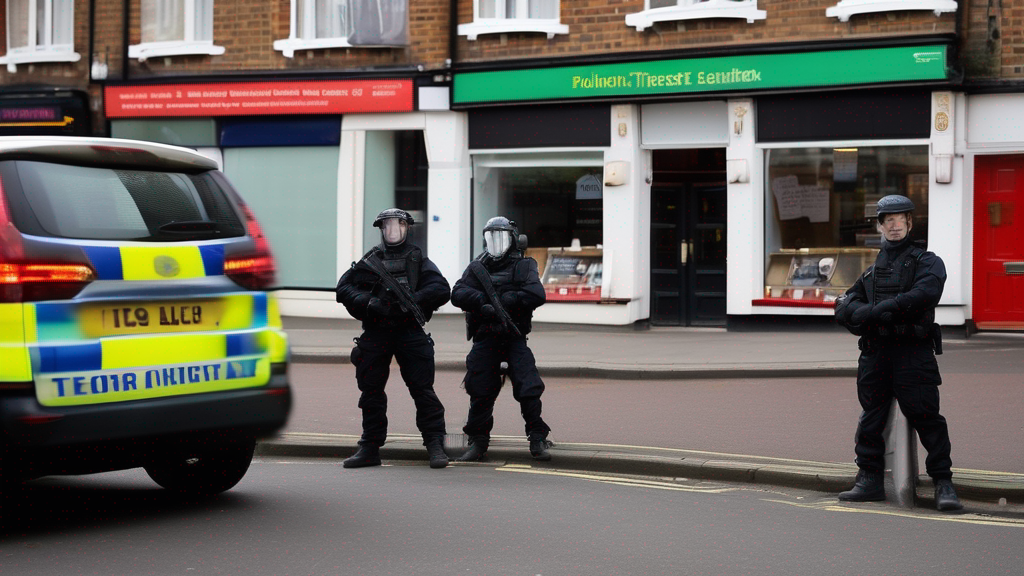
The Golders Green attack, which took place near the high street shortly after 6pm, left several people injured. Counter-terrorism officers were called to the scene and have since taken over the investigation, though a motive hasn’t been officially confirmed. The area, which has a significant Jewish community, was busy with shoppers and commuters at the time.
For most people, a change in threat level won’t alter their Tuesday or their Thursday. Life carries on. But behind the scenes, it means significant changes: increased visible policing at transport hubs and crowded public spaces, tighter coordination between MI5 and local forces, and security reviews at major events already scheduled for the coming weeks.
The UK has been at “severe” before, of course. After the Manchester Arena bombing in 2017, the level briefly rose to “critical” before settling back. Living with that kind of background uncertainty is something British cities have, unfortunately, had practice at.
What’s different now is the context. With tensions running high across multiple fronts – geopolitical, domestic, online radicalisation – security officials have been privately worried for some time that the risk picture was deteriorating. Wednesday’s announcement makes that concern public and official.
The bigger question, as always, is what comes next. Whether this is a temporary uplift tied to a specific threat or the beginning of a longer period at heightened alert isn’t something the government is spelling out yet. Perhaps that’s the point of “be alert” – because they’re not entirely sure either.