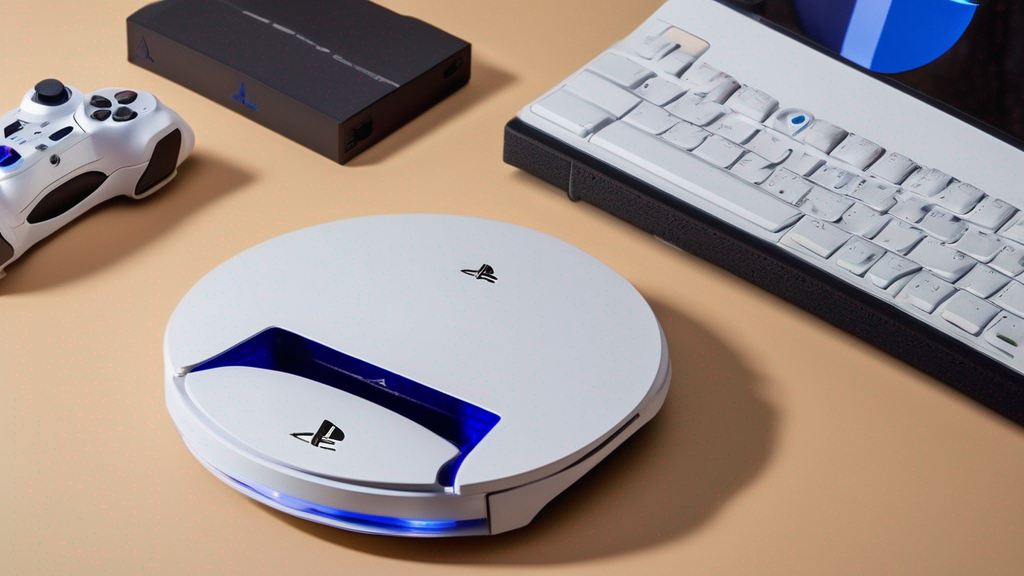
The disc drive might be going the way of the Minidisc, and PlayStation seems oddly relaxed about it.
Sony’s gaming division posted flat first-quarter sales this week, with PlayStation hardware revenue failing to meaningfully grow year-on-year. It’s not a disaster, but it’s hardly the chart-topping performance the company would have hoped for. And buried in the financial briefing was a detail that caught a lot of people’s attention: PlayStation is “cautiously moving forward” with plans to wind down physical disc production.
That phrase, “cautiously moving forward,” is doing a lot of heavy lifting. It’s the kind of corporate language that signals a decision has already been made, but nobody wants to be the one to say it out loud just yet.
The flat sales figures tell their own story. PlayStation 5 adoption has slowed considerably since its frenzied launch period, and Sony knows the next growth chapter won’t be driven by flogging more consoles. It’ll be driven by subscriptions, digital downloads, and PlayStation Plus tiers that keep money flowing in long after the hardware is gathering dust under your telly.
Dropping physical discs fits neatly into that strategy. No manufacturing costs, no retail margin to share, no second-hand copies undercutting the digital storefront. For Sony’s accountants, it makes obvious sense. For the bloke who’s been buying physical games since the original PlayStation launched in 1995, it’s a different conversation entirely.
Collectors and accessibility advocates have already flagged concerns, pointing out that digital-only gaming effectively locks out anyone without a reliable broadband connection or the disposable income to pay full price for downloads they can never resell.
It’s also worth remembering that internet infrastructure across the UK isn’t uniformly brilliant. Rural areas still struggle with the kind of connection speeds that make 50GB downloads feel like a reasonable evening plan.
Sony hasn’t given a hard timeline yet, and “cautiously” implies they’re watching the market reaction closely before committing. But the direction of travel seems clear enough.
The real question is whether gamers will push back hard enough to slow things down, or whether, like streaming did with DVDs, the convenience will quietly win out in the end.