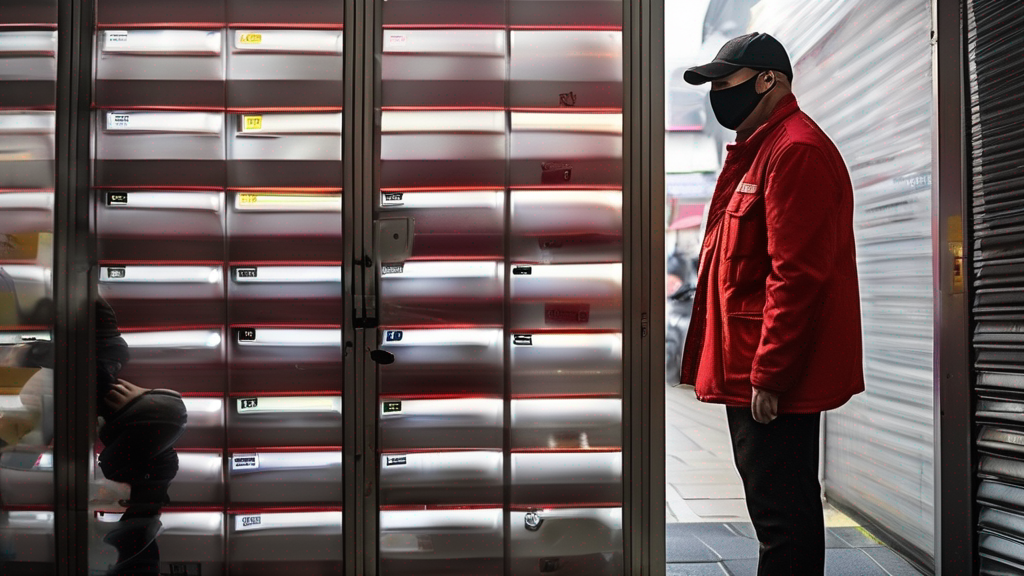
Walk down almost any struggling high street in Britain and you’ll spot them: shops that never seem to have customers, yet somehow keep the lights on. Now, finally, someone in government has noticed.
A new specialist crime unit is being set up to tackle organised gangs using legitimate-looking retail fronts to launder money, move drugs, and exploit undocumented workers. The move follows a damning BBC News investigation that pulled back the curtain on just how brazen the problem has become.
The BBC’s reporting identified drug gangs operating behind the facades of seemingly ordinary shops, along with networks of so-called ghost directors, people who exist on paper only, used to obscure who actually controls a business. Immigration crime and large-scale money laundering were also documented, all hiding in plain sight on British high streets.
“These aren’t opportunistic criminals,” one law enforcement source told reporters. “This is sophisticated, organised, and it’s been tolerated for too long.”
The scale of the problem is difficult to pin down precisely, but Companies House data has repeatedly shown tens of thousands of UK-registered firms with directors listed at addresses that don’t exist or that have no traceable connection to real people. Reforms to Companies House verification rules, introduced in 2023, were meant to help. Clearly, they haven’t been enough.
What makes this unit different, at least in theory, is that it’s designed to cut across agencies. Rather than leaving it to overstretched local police or HMRC to join the dots independently, the new body is intended to bring together intelligence from Trading Standards, the National Crime Agency, and border enforcement under one roof.
Critics will rightly ask why it’s taken a BBC investigation to prompt action. Retail fraud and high street crime aren’t exactly new problems, and there’s a fair argument that the tools to tackle this have existed for years, just never properly coordinated.
Still, there’s cautious optimism from some quarters. If the unit gets genuine resources and political backing rather than becoming another underfunded initiative that quietly fades away, it could make a real dent.
The bigger question is whether the government has the appetite to follow the money all the way up the chain, or whether only the shopfront operators end up in the dock while those further up the hierarchy carry on regardless.