The skies over south-west France have turned an apocalyptic orange, and for more than 300,000 people across France and Spain, the order is simple: get out now.
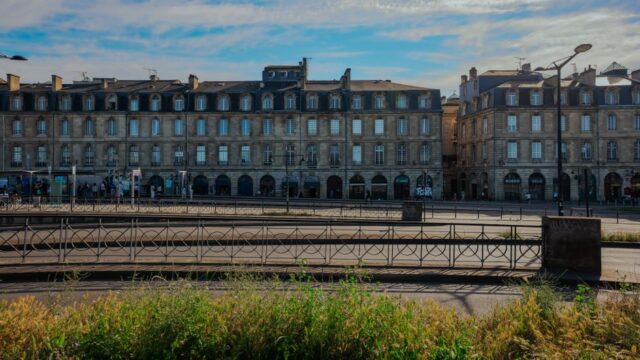
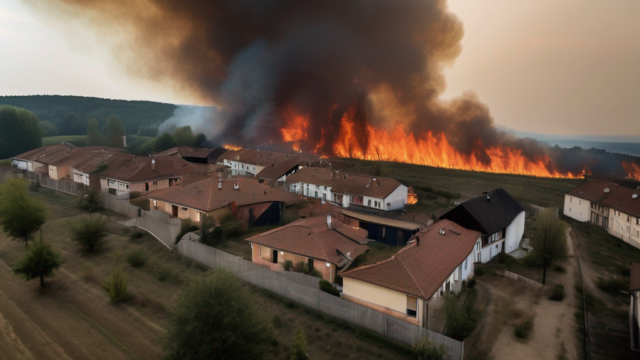
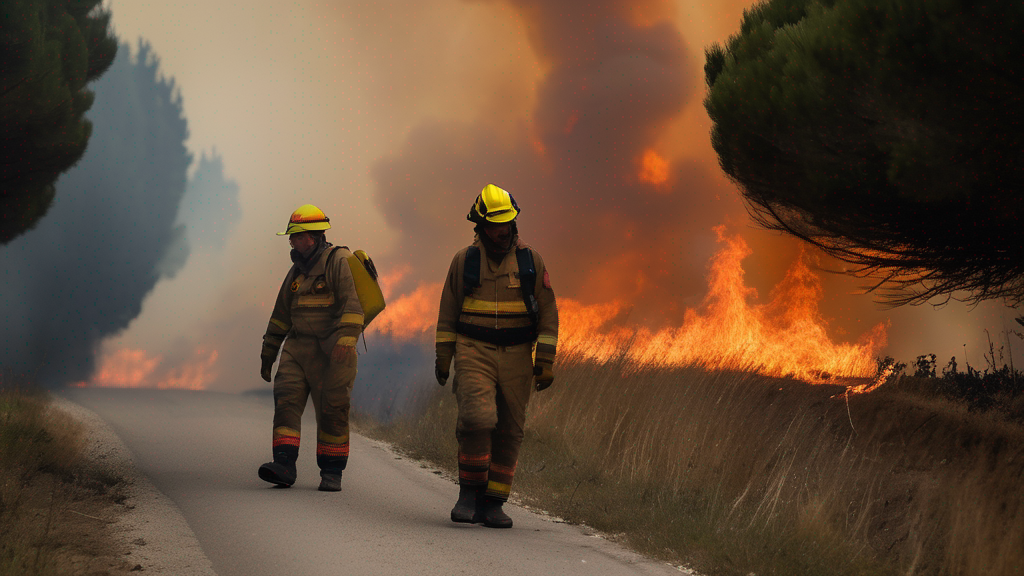
Wildfires tearing through the region have forced mass evacuations on both sides of the Pyrenees, with blazes near Bordeaux proving particularly ferocious. French authorities have been blunt about the situation, warning that they are far from bringing the fires under control, even as thousands of firefighters work around the clock in brutal heat.
Spain’s Prime Minister has spoken of “complex hours” ahead, a phrase that barely captures the scale of what’s unfolding. In the Valencian region and parts of Catalonia, entire villages have been cleared out, with residents given minutes to grab what they could before leaving.
“We left with the dog and a bag,” one evacuee told local media. “Everything else stays.”
The fires have consumed tens of thousands of hectares of land, with the Gironde department in France bearing some of the worst damage. Landmarks in the region, pine forests that have stood for generations, are being reduced to ash in hours.
Temperatures across southern Europe have been sitting well above 40°C this week, and forecasters aren’t offering much hope. Wind conditions have been shifting unpredictably, which is every firefighter’s nightmare because it means flame fronts can change direction with almost no warning.
Water-bombing aircraft from across Europe have been deployed, and the EU’s civil protection mechanism has been activated to coordinate cross-border support. Portugal, Greece, and Italy, each dealing with their own fire seasons, have still managed to send resources.
It’s not just the immediate destruction that will linger. Communities near Bordeaux, many of them economically tied to the surrounding forests and vineyards, face a recovery that could take years. The psychological toll on families who’ve lost homes, or simply don’t yet know if they have a home to return to, is harder still to measure.
As climate scientists point to longer, drier summers as the new normal for southern Europe, the real question isn’t just how these fires get put out. It’s whether the continent is genuinely prepared for a future where summers like this one are not the exception.