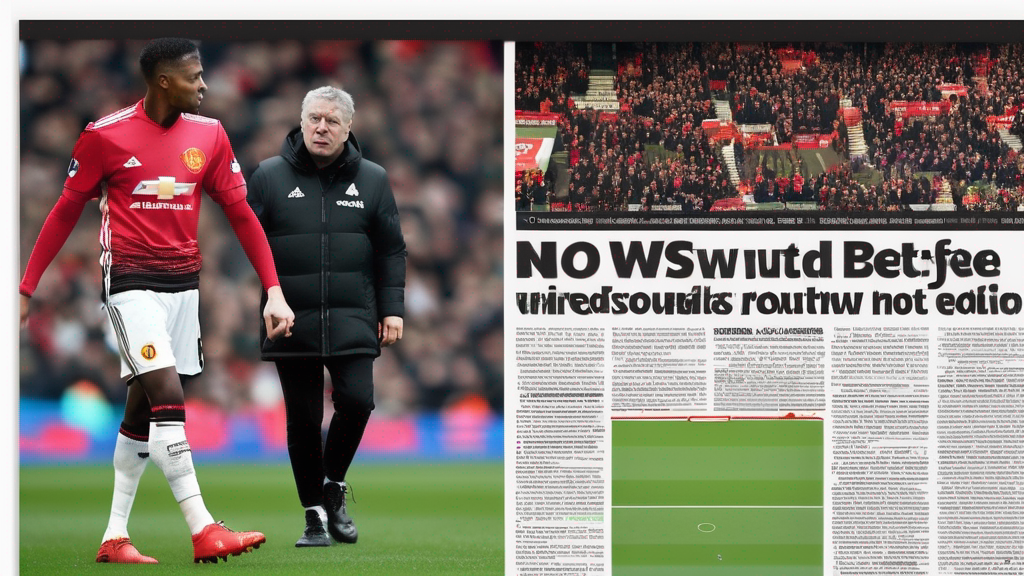
Football clubs have always had a complicated relationship with money, but Manchester United’s reported talks with Betway over a potential shirt sleeve sponsorship deal have managed to unite fans, campaigners, and politicians in rare, shared discomfort.
The Athletic reported that United have been in discussions with the gambling giant about a deal that could be worth tens of millions of pounds. It’s the kind of revenue that would normally have Old Trafford cheering. Instead, it’s sparked a proper row.
Critics have been quick to point out the timing. The Premier League only recently introduced its own voluntary code restricting gambling logos on the front of adult shirts, a compromise that many anti-gambling campaigners already felt didn’t go nearly far enough. A sleeve deal with Betway would technically skirt those restrictions while keeping the relationship very much alive.
Charity groups working on gambling addiction have been particularly vocal. The charity Gambling with Lives, which supports families bereaved by gambling-related suicide, has consistently argued that normalising betting brands through football reaches young fans at their most impressionable. United’s global following of hundreds of millions makes that concern anything but abstract.
There’s also a question of optics. United are in the middle of a painful rebuild under INEOS, with supporter trust still fragile after years of underperformance and broken promises. Aligning the club with a gambling company, even indirectly, risks handing critics another stick to swing.
“Clubs keep finding loopholes because the money is simply too good to walk away from,” one sports marketing analyst noted, capturing the fundamental tension at the heart of this debate.
It’s not just United, of course. Plenty of Premier League clubs carry gambling sponsors in some form, and the industry pours enormous sums into English football at every level. But United’s size means every decision carries extra weight and extra scrutiny.
Whether the deal actually gets over the line remains unclear. Negotiations fall apart all the time in football. But the very fact that talks have reached a stage where they’re being reported publicly suggests this isn’t just idle speculation.
The bigger question is whether the Premier League’s current approach to gambling sponsorship is sustainable, or whether more uncomfortable conversations are still to come.