One point. One single, solitary point. That was the UK’s haul from the public vote at Eurovision 2025, and if that doesn’t make you want to bury your face in a Union Jack and weep, nothing will.
It’s been four years of genuine embarrassment now. Since Sam Ryder briefly restored our faith with a second-place finish in 2022, the UK has slid back into its old habits with an alarming commitment. Olly Alexander finished last in 2024. Remember Mae Muller in 2023? Probably not, and that’s rather the point.
The frustrating thing is that the BBC seems to oscillate between two broken strategies. Either they send a credible pop act who gets swallowed by the sheer spectacle of the show, or they lean into the camp and theatrical side of Eurovision without quite understanding what makes it work. There’s a difference between embracing the kitsch and just looking confused by it.
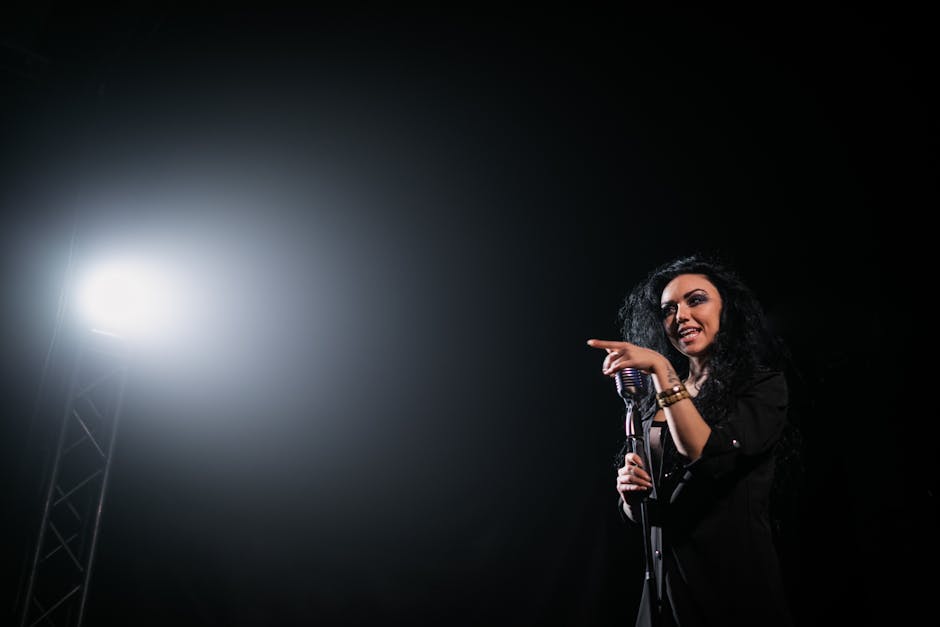
The show’s producers and die-hard fans have been saying it for years: Eurovision isn’t just a song contest, it’s a performance contest. Norway, Sweden, and Croatia consistently deliver fully realised theatrical moments. The UK keeps turning up with a microphone stand and good intentions.
There’s also the political dimension, which British broadcasters love to blame but which rarely tells the whole story. Yes, bloc voting exists. But Ireland gives points to their neighbours too, and somehow the UK can’t even rely on a sympathy vote from a nation that shares our language, our television, and a good chunk of our culture.
The BBC reportedly has until 2027 to get this right before the pressure becomes genuinely untenable. That gives them roughly two years to rethink the selection process, invest properly in staging, and perhaps, just perhaps, ask the British public what they actually want to send rather than making the decision in a conference room.
Some have suggested adopting a national selection show similar to Sweden’s Melodifestivalen, which generates genuine public investment before the artist even sets foot on the Eurovision stage. It’s not a radical idea. It just requires the BBC to admit that what they’ve been doing clearly isn’t working.
The question isn’t whether Britain can win Eurovision again. It’s whether anyone involved actually wants to badly enough to do something differently.