For over a hundred years, if you wanted to win an election in Wales, you ran as Labour. That’s not a metaphor or a loose generalisation; it’s simply how Welsh politics has worked since the early twentieth century. But that streak, one of the longest in democratic politics anywhere in the world, is now expected to end.
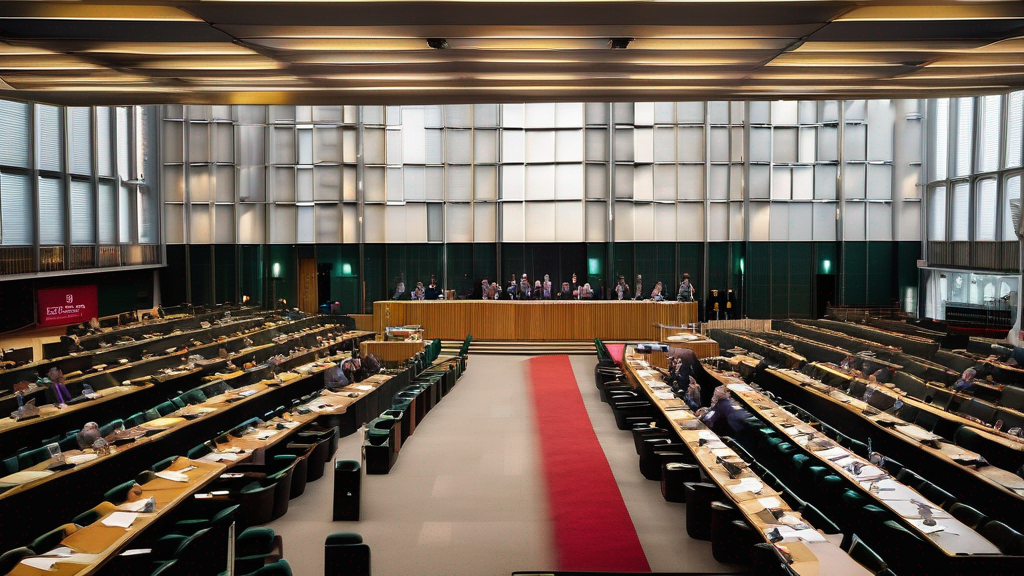
Labour sources have told the BBC they believe the party will lose control of the Senedd, Wales’s devolved parliament, at the next Welsh election. It’s a admission that would have seemed almost unthinkable a decade ago, when the party still dominated the valleys and cities with a grip that felt unshakeable.
The numbers tell the story. Labour has governed Wales continuously since the Senedd was established in 1999, and before that held the vast majority of Welsh Westminster seats for generations. At its peak, the party could count on Wales as safely as it could count on anything in British politics.
But polling in recent months has shown a dramatic shift. Plaid Cymru has been eating into Labour’s base in the Welsh-speaking heartlands for years, while Reform UK has surged in the post-industrial communities of south Wales that once provided Labour with its most loyal voters. The squeeze is coming from two very different directions at once.
“Wales has changed, and Labour hasn’t always changed with it,” one observer close to Welsh politics put it bluntly.
There’s no single cause. The cost of living crisis hit Welsh households hard, and the devolved government’s record on the NHS and public services has drawn criticism that’s been difficult to shake. Some voters who drifted to Reform are doing so partly out of frustration with a party they feel took them for granted.
Plaid, meanwhile, has positioned itself as a credible governing alternative rather than a protest vote, a shift in perception that’s taken years but appears to be landing at exactly the right moment.
The Senedd election is due in May 2026. There’s still time for Labour to mount a recovery, and the party has come back from worse before. But with its own sources conceding the winning run is over, the question now isn’t really whether Wales is changing; it’s what Welsh politics looks like once it does.