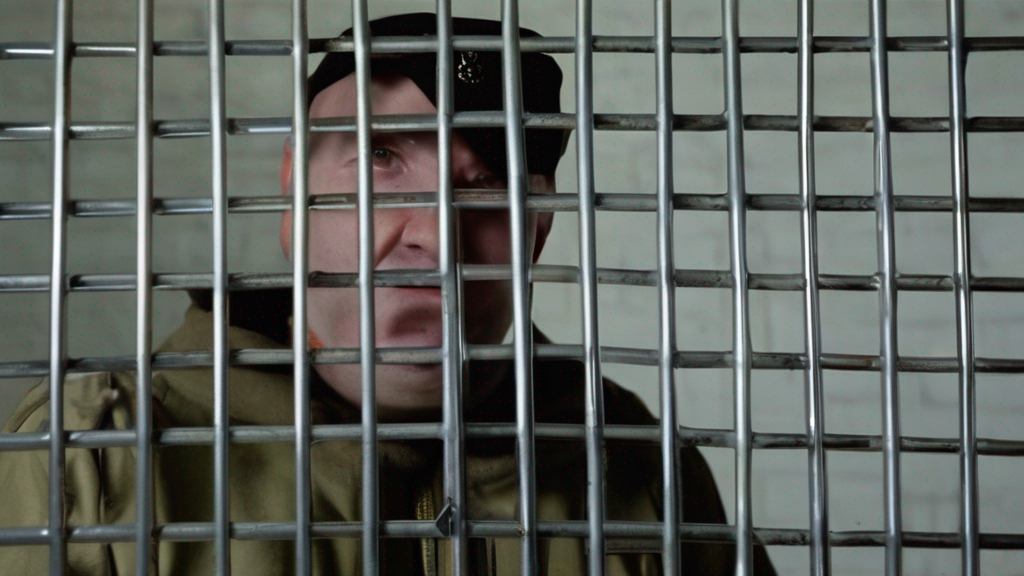
Some of the men who ran Russia’s detention centres in occupied Ukraine now have names, faces, and a growing number of people who want to see them in court.
The BBC has identified jailers and officials allegedly responsible for systematic abuse at facilities used to hold Ukrainian civilians and prisoners of war. Former detainees have come forward to name specific individuals, describing beatings, stress positions, electric shocks, and prolonged isolation. These aren’t vague accusations; survivors are pointing to particular guards, unit commanders, and local administrators.
One former prisoner described being held for weeks without any formal charge, telling investigators he recognised his abusers clearly enough to identify them by voice alone. Several accounts describe near-identical methods across different sites, suggesting the abuse was coordinated rather than the work of a few rogue individuals.
Human rights investigators and Ukrainian prosecutors have been cross-referencing testimony, photographs, and leaked documents to build cases. The BBC’s investigation adds significant detail to that picture, connecting named individuals to specific detention centres in regions including Kherson, Zaporizhzhia, and Donetsk.
Russia has consistently denied running a network of abuse facilities, dismissing such claims as wartime propaganda. But the volume of corroborating testimony, from survivors who didn’t know each other and were held in different locations, makes that denial increasingly difficult to sustain.
“We know who they are. We saw their faces every day,” one survivor told BBC investigators. “They should not be allowed to simply go home and live normal lives.”
International criminal accountability for conflict-related abuse is notoriously slow. The International Criminal Court has already issued arrest warrants connected to the Ukraine war, though enforcement remains a separate and complicated matter entirely.
For the survivors involved in this investigation, the legal process is secondary to one simpler demand: public acknowledgement that what happened to them was real, and that the people responsible are known.
Whether any of these individuals will ever face a courtroom is, for now, an open question. But the list of names is getting longer, and so is the evidence attached to each one.