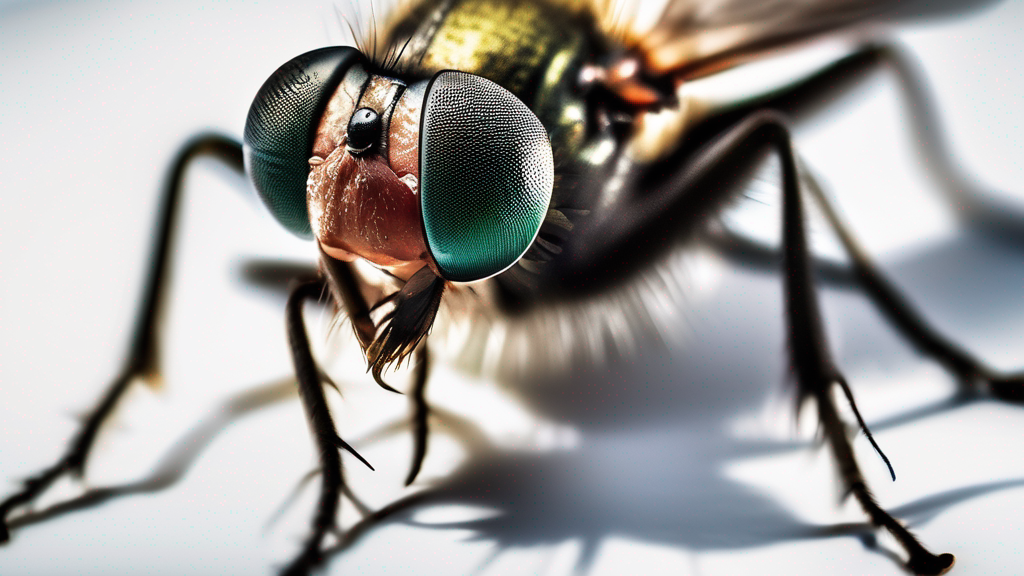
There’s a fly on your window. Then another. Then, somehow, seventeen of them, and you’ve no idea where they came from or why they’ve chosen your kitchen.
It’s a scenario playing out across the UK this summer, and the numbers are striking. Pest control firms have reported call volumes up by as much as 40% compared to the same period last year, with cluster flies, bluebottles, and fruit flies topping the complaint list. Rentokil logged a 33% spike in fly-related enquiries in July alone.
The reasons are a mixture of weather, biology, and some uncomfortable truths about modern housing. The warm, damp spring followed by a humid early summer created near-perfect breeding conditions. Flies thrive when temperatures sit consistently above 16°C, and decomposing organic matter, whether in compost bins, drains, or forgotten fruit bowls, provides all the nutrition their larvae need.
“It makes you feel you’ve got a really dirty house,” one Manchester homeowner told pest controllers recently. “But they said it had nothing to do with cleanliness. The flies were breeding in the garden, not inside.”
That’s actually the crucial distinction most people miss. Cluster flies, for instance, breed in earthworms in the soil, not in your home at all. They enter houses in late summer seeking warmth, and they do it in extraordinary numbers, sometimes thousands gathering in roof voids and wall cavities.
Fruit flies are a different story. They’re drawn to the ethanol produced by fermenting sugars, which means anything slightly overripe on your counter is effectively a beacon. A single female can lay up to 500 eggs in her short lifetime, which goes some way to explaining how a couple of flies near the fruit bowl becomes a full infestation within a fortnight.
Entomologist Dr Sarah Beynon has pointed out that fly populations are also responding to shifts in agricultural land use and the gradual decline of their natural predators, particularly certain bird species and parasitic wasps. It’s ecological, not personal.
Still, that’s cold comfort when you’re chasing bluebottles around your kitchen at 7am. The real question is whether this summer’s surge is a one-off blip, or whether warmer, wetter British summers will simply mean more of this from here on out.