A ceasefire is only as good as the paper it’s written on, and right now, that paper is soaked in blood.
At least 14 people were killed in Lebanon on Tuesday after Israeli strikes hit multiple locations across the country, just days after the United States confirmed a three-week extension to an already fragile ceasefire agreement. The strikes have drawn sharp condemnation and raised serious questions about what, exactly, this ceasefire is actually ceasing.
The US announced the extension three days ago, framing it as a diplomatic win and a chance to push negotiations forward. Critics, however, are pointing out the obvious: bombs don’t pause for paperwork.
Lebanese officials described the strikes as a blatant violation of the terms agreed upon, with one senior figure calling the situation “a ceasefire in name only.”
Israel has maintained that its military operations target Hezbollah infrastructure and are consistent with its right to self-defence, even within ceasefire periods. That argument is becoming harder to sell to the families of those killed.
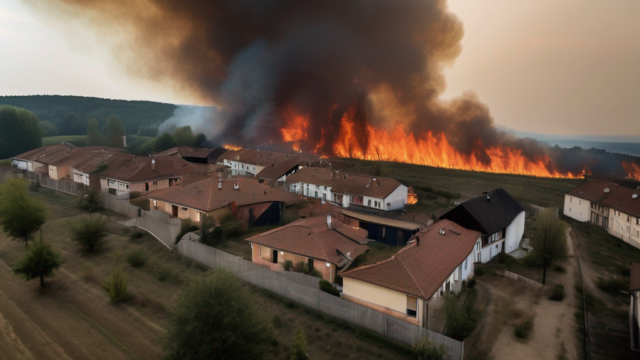
The death toll of 14 includes both civilians and fighters, according to early reports from Lebanese health authorities. Several of the strikes hit southern Lebanon, a region that has been at the centre of cross-border hostilities for months. Buildings were left in rubble, and local rescue teams were still pulling people from debris as night fell.
For ordinary Lebanese citizens, the distinction between a ceasefire and open conflict is increasingly academic. Displacement, power outages, and destroyed infrastructure are daily realities regardless of what diplomats are calling the current situation in press briefings thousands of miles away.
The extended ceasefire was supposed to create breathing room for a longer-term deal. Three weeks isn’t much time under the best of circumstances, and these are far from the best of circumstances.
Washington has so far stopped short of condemning the strikes directly, a silence that speaks volumes to observers watching from Beirut, Paris, and beyond.
Whether the agreement survives the next fortnight, or collapses entirely under the weight of continued military action, may well depend on whether anyone with real leverage is actually willing to use it.