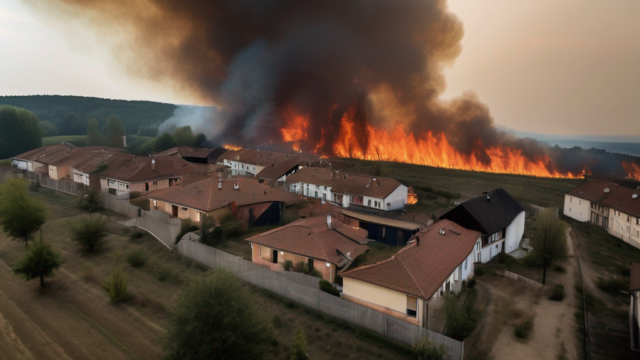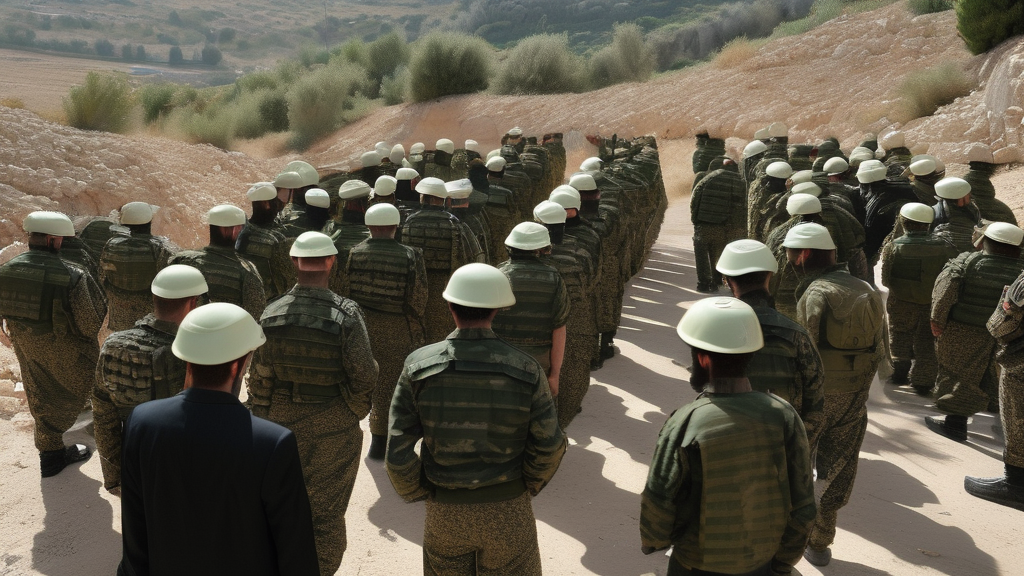
The bombs are still falling, the Israeli military hasn’t left, and yet in the villages of south Lebanon, Hezbollah’s green and yellow flags haven’t come down.
It’s a stubborn loyalty that baffles many outsiders, but for residents who’ve lived through decades of conflict along this border, the calculus is grimly straightforward. When we spoke to Ali, a 58-year-old farmer from a village near Tyre whose family has lived through three major Israeli military campaigns, he put it plainly:
“Who else is going to come? The army? They’ve never protected us. Hezbollah are our sons.”
The November ceasefire was supposed to change things. It didn’t. Israeli strikes have continued in what the IDF describes as operations against remaining militant infrastructure, and large swaths of southern border villages remain under effective Israeli control, with residents still unable to return to their homes.
That continued occupation is doing more for Hezbollah’s local reputation than any propaganda campaign ever could. For communities that have been waiting months to go back to their land, the armed group’s narrative, that only resistance works, that diplomacy delivers nothing, feels less like ideology and more like lived experience.
It’s not universal, and it would be wrong to pretend it is. Younger Lebanese, particularly those in Beirut who watched the country’s economy collapse further under the weight of the war, are far more ambivalent. Some are furious. Hezbollah drew Lebanon into a conflict many felt wasn’t theirs, and the bill, in lives, infrastructure, and investment, has been catastrophic.
But south Lebanon isn’t Beirut. It’s a region that has been fought over, occupied, and bombed repeatedly since the 1970s. The Lebanese state has rarely shown up in any meaningful way. Hezbollah built schools, hospitals, and roads here, and then it fought, and for a certain generation, that combination still counts for something.
The question now is whether the next generation, the ones who’ve grown up watching friends die and villages flatten, will feel the same way, or whether this war finally breaks that inheritance.