If you spent part of your Bank Holiday weekend baking inside a stationary car on the approach to Dover, you have France’s border officials to thank for your sunburn.
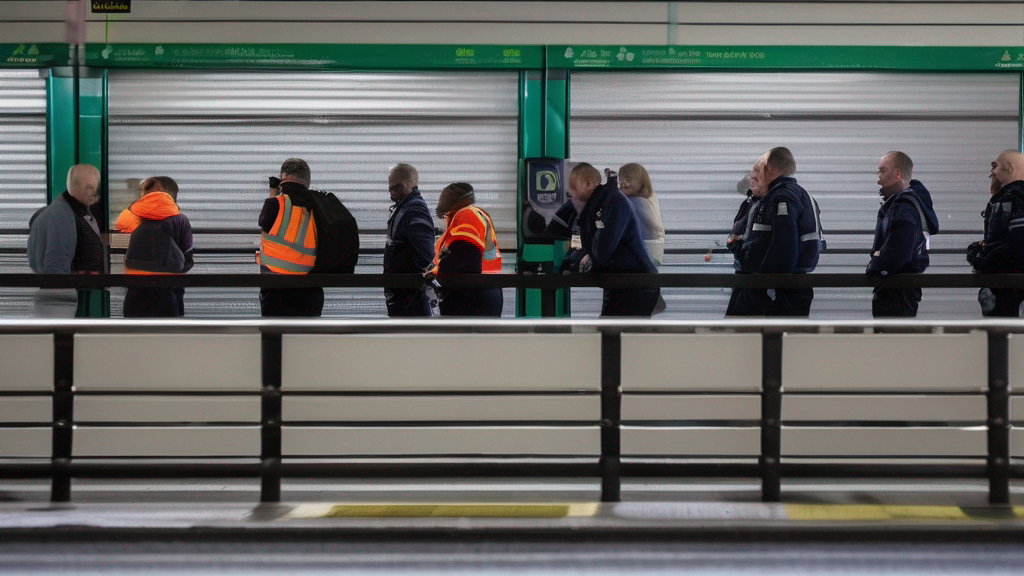
Extra EU entry checks at the port caused hours-long tailbacks on Tuesday, with temperatures pushing into the high twenties and families stuck in queues that stretched back well beyond the terminal. The port of Dover confirmed the additional checks had been introduced by French border authorities, adding a fresh layer of scrutiny on top of the already laborious post-Brexit passport process.
By mid-afternoon, Dover Port had announced the extra checks would be suspended, offering some relief to the thousands of travellers still waiting. But by that point, the damage was done. Coaches, campervans, and cars loaded with sunburnt kids had already lost hours of their holiday to the tarmac.
One frustrated traveller described the situation as “absolute chaos”, adding that her family had been stuck for nearly three hours without access to shade or water.
It’s a familiar story for anyone who’s used Dover since Britain left the EU. Standard checks now require officers to manually stamp passports and verify biometric data for every individual, a process that was simply never designed to handle the sheer volume of summer traffic. Dover is the busiest ferry crossing in the world, handling around 10,000 vehicles on a peak day.
The additional French checks, the precise nature of which weren’t made immediately clear, turned what’s already a pressure point into a full-scale bottleneck. Travel groups have repeatedly called for more automated e-gate technology on the French side, similar to what British nationals can use returning home. So far, progress has been slow.
French border police have the legal right to conduct thorough entry checks on all non-EU passport holders, and British travellers no longer enjoy the fast-track freedoms they once did. That’s the post-Brexit reality, and it’s not going away.
With the summer holidays in full swing and millions more crossings expected over the coming weeks, the question isn’t really whether this will happen again. It’s how long the queues will be next time.