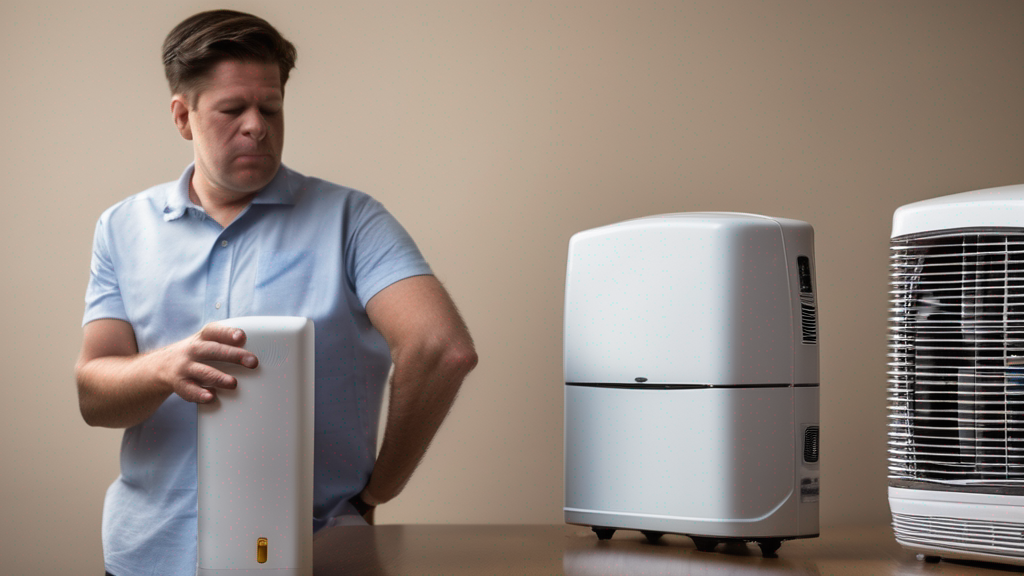
If you’ve spent any time on social media this summer, you’ve almost certainly seen the ads: a sleek little gadget, about the size of a lunchbox, promising to transform your sweltering bedroom into an arctic paradise in under two minutes. Sounds brilliant, doesn’t it? There’s just one problem. It’s complete nonsense.
The Advertising Standards Authority has ruled against several companies marketing so-called “portable air conditioners” that claimed to cool rooms in 90 seconds or less. The ASA found the adverts were misleading, largely because the devices in question are evaporative coolers, not air conditioners. That distinction matters enormously.
A proper air conditioner removes heat from the air and expels it outside. An evaporative cooler, by contrast, blows air over a water-soaked wick or pad, which creates a modest cooling effect through evaporation. In a dry climate, they’re reasonably useful. In the UK’s typically humid summer air, they’re about as effective as waving a damp flannel around your face.
The ASA’s investigation found that temperature drops in tested rooms were “negligible” under real-world British conditions, and that claims of rapid, significant cooling simply couldn’t be substantiated. One advertiser insisted its product was “scientifically proven,” which the regulator flatly rejected.
The ads gave consumers the impression they were purchasing something with the cooling power of a conventional air conditioning unit, which these products fundamentally cannot deliver.
Prices for these gadgets typically range from £30 to £80, which feels almost reasonable until you realise you’ve essentially bought a noisy fan with a water tank. Reviews across Amazon and Trustpilot tell a consistent story: buyers are frustrated, returns are complicated, and the heatwave still wins.
It’s not as though the companies are selling outright fakes in the counterfeit sense. The devices exist, they do something. But “something” and “cool your room in 90 seconds” are very different promises, and that gap is precisely what regulators exist to close.
With British summers getting progressively more brutal, the demand for affordable home cooling isn’t going anywhere. The real question is whether consumers will start reading the small print before they click buy, or whether the next heatwave will simply send another wave of hopeful shoppers straight back to the same misleading ads.