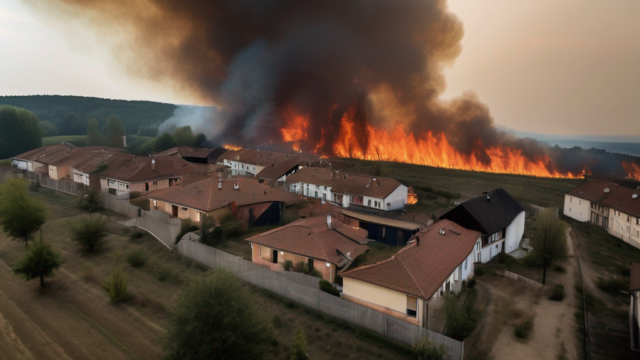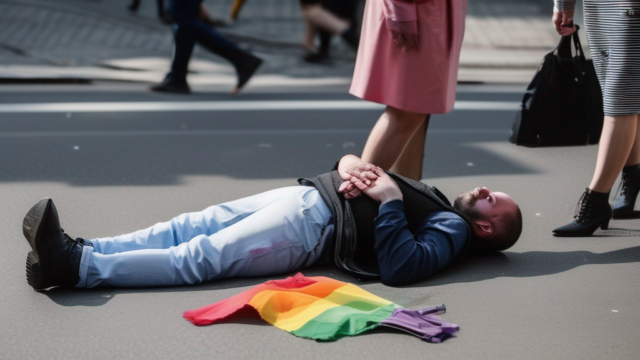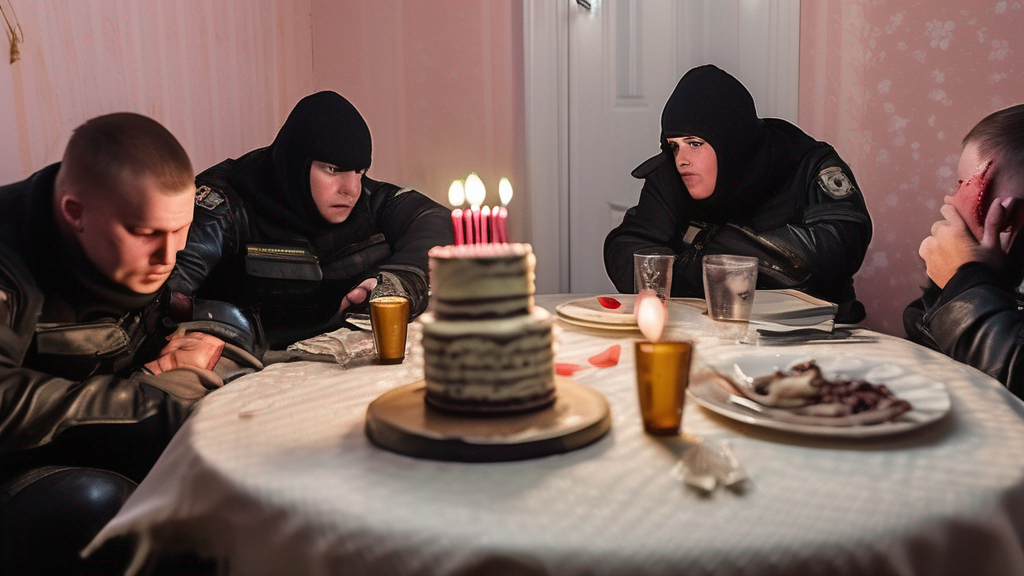
It was supposed to be a birthday party. Instead, it turned into something closer to a nightmare, when a group of masked men burst through the door and started filming terrified guests.
The raid was carried out by Russkaya Obshina, a Russian nationalist vigilante group that has been gaining alarming momentum across the country. Their stated mission is to root out behaviour they consider a violation of so-called “traditional Russian values” – a vague but conveniently elastic phrase that seems to cover anything they personally find offensive.
In this latest incident, attendees at a private birthday celebration were confronted, filmed, and subjected to verbal abuse by group members who broadcast the whole ordeal on social media. The footage spread quickly, racking up tens of thousands of views within hours. That virality isn’t accidental; it’s the whole point.
“They don’t just want to intimidate the people in the room,” one Russian civil liberties observer noted. “They want the video. The humiliation is the product.”
Russkaya Obshina has been linked to dozens of similar raids over the past year, targeting gatherings they deem immoral, including LGBTQ+ events, mixed-nationality social groups, and parties they suspect involve alcohol or dancing deemed un-Russian. The group operates with a brazen openness that suggests they feel little fear of legal consequences.
And they’re probably right to feel that way. Russia’s increasingly restrictive social legislation, including its sweeping 2023 ban on “LGBT propaganda” extended to all age groups, has created a legal climate where groups like Russkaya Obshina can position themselves as patriots rather than criminals. Police responses to their raids have ranged from slow to non-existent.
Human rights organisations including OVD-Info, which monitors political repression in Russia, have documented a sharp rise in vigilante activity since 2022. The group’s membership and reach are difficult to verify precisely, but their online following now numbers in the hundreds of thousands across Telegram and VKontakte.
For the woman whose birthday party was targeted, there’s no clean resolution. No arrests were made. The video is still online.
The question worth sitting with is this: when a state’s own laws start to rhyme with a vigilante group’s manifesto, where exactly does the state end and the mob begin?