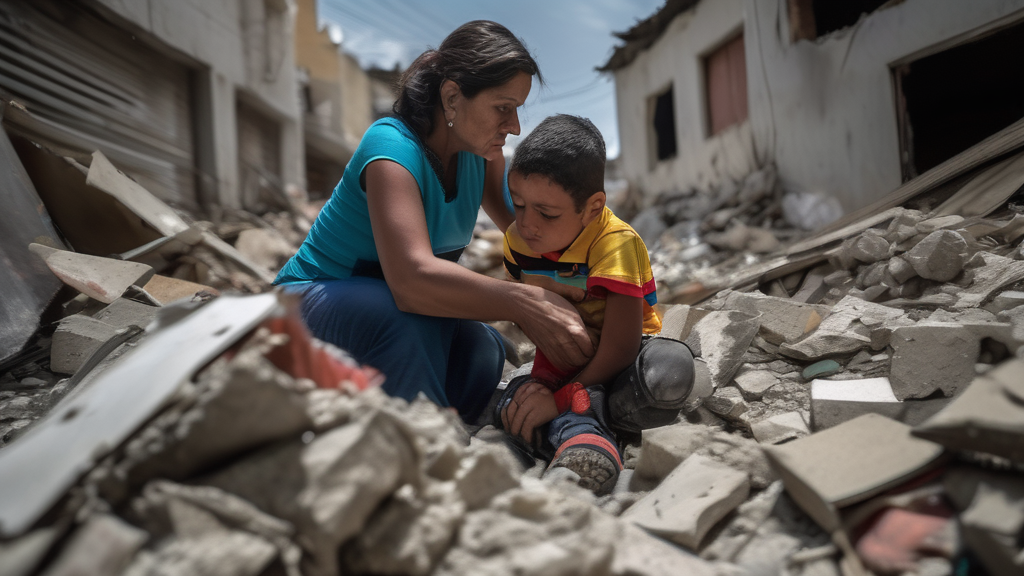
Six days. That’s how long two-year-old Kleiber Moran spent trapped beneath the rubble of a collapsed building in Venezuela, before rescuers finally pulled him out alive on Wednesday.
The images of the little boy emerging from the debris spread quickly across social media, offering a rare moment of relief after a devastating week. The earthquakes that struck the region killed dozens and left entire communities in ruins. Kleiber’s survival felt, to many who saw it, like something close to a miracle.
Now, his aunt has spoken to the BBC about what comes next. She told reporters she intends to give the toddler a “mother’s warmth” as he recovers, a phrase that says everything without needing to say much more. Kleiber’s own mother did not survive.
Rescue teams had been working through the rubble for nearly a week, and the odds of finding anyone alive after that long are grim. Survival beyond 72 hours in a collapsed structure is considered exceptional. Kleiber, somehow, made it to six days.
Doctors assessing him after the rescue reported he was dehydrated and weak, but alive and responsive. For a two-year-old, the trauma of something like this is almost impossible to comprehend, both physically and in ways that may not surface for years.
His aunt, whose name has not been widely reported, was visibly emotional in her BBC interview. She spoke about wanting to hold him, care for him, and make sure he knows he is loved. It’s a small, human thing to say in the middle of an enormous catastrophe, and perhaps that’s exactly why it resonates.
Venezuela has faced years of economic and political crisis, and its emergency response infrastructure is stretched thin at the best of times. Stories like Kleiber’s tend to cut through the noise of statistics and geopolitics, reminding the rest of the world that behind every number in a death toll, there are also the ones who made it out.
As Kleiber begins what will be a long road to recovery, the question hanging over his story is the one that follows every survivor: what kind of life, and what kind of support, will be there waiting for him?