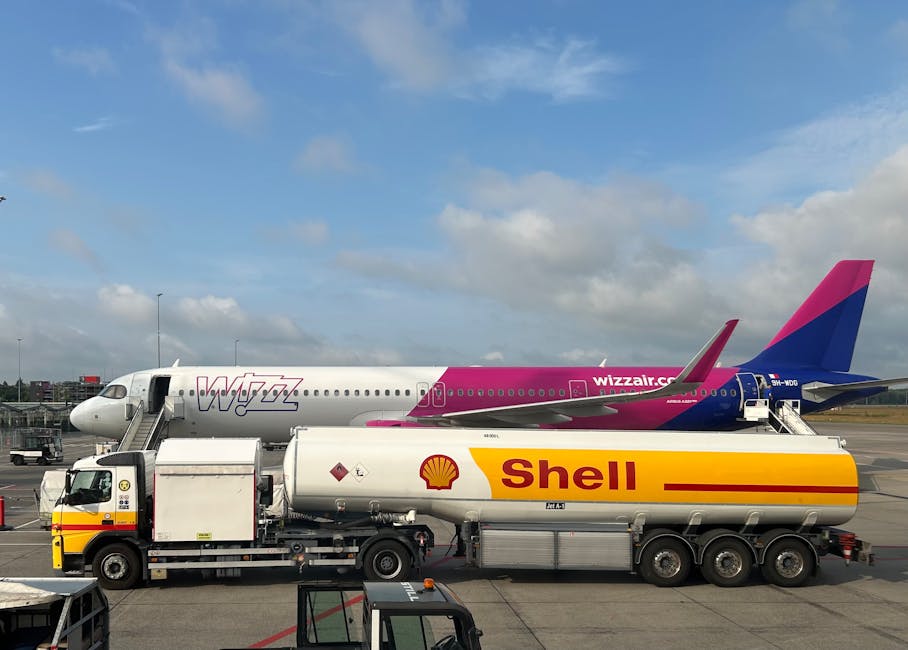
If your summer flight gets cancelled weeks before you’re due to fly, you might soon have the government to thank for it. That’s not sarcasm, either. It’s actually the plan.
Ministers are drawing up new rules that would allow airlines to cancel flights well in advance rather than pulling them at the last minute, as concerns grow over fuel supply disruptions linked to ongoing instability in the Middle East. The thinking is straightforward: a cancellation six weeks out is far less chaotic than one at the departure gate.
Anyone who queued for eight hours at Gatwick in the summer of 2022 will need no convincing that last-minute chaos is something worth avoiding. Tens of thousands of passengers were stranded or severely delayed that year as the industry lurched from one crisis to the next, still shaky after Covid and suddenly short-staffed at every level.
The new proposals would give airlines a clearer legal framework to make proactive decisions about their schedules, rather than holding onto slots and hoping the situation resolves itself. Under existing rules, carriers face significant pressure to keep flights on the books until the very end, even when they privately know operations may not be viable.
“Passengers deserve certainty,” one industry source familiar with the discussions said. “Giving airlines the ability to act early protects travellers and preserves trust in the booking system.”
The trigger here is fuel. Jet fuel supply chains run through some deeply unstable parts of the world right now, and the government is clearly taking seriously the possibility that disruptions this summer could be more than just a brief blip. Airlines themselves have been quietly lobbying for exactly this kind of flexibility.
Consumer groups are cautiously supportive, though the detail will matter enormously. The key question is what compensation passengers would be entitled to under an early cancellation versus a same-day one. Currently, the rules are clearer for late notice; earlier cancellations sit in murkier territory.
There’s also the question of airlines misusing the provision, cancelling profitable-but-tricky routes under the cover of “fuel concerns” with little scrutiny.
Whether the rules land before peak summer booking season kicks off in earnest remains to be seen. But if they do, the scramble at check-in might at least start a little earlier this year.